Have you ever walked past the spice aisle and wondered about those tiny, golden-brown seeds labeled as fenugreek? Well, if you’re looking at a Dutch or Afrikaans label, you might see it called foenegriek. This humble seed has been used for thousands of years, and it’s finally getting the attention it deserves in kitchens and medicine cabinets across America.
Foenegriek isn’t just another trendy superfood that’ll disappear next year. People have relied on this spice since ancient Egyptian times, and modern science is now catching up to what traditional healers knew all along. Whether you’re interested in cooking, natural health remedies, or just expanding your spice collection, understanding foenegriek might change how you think about everyday ingredients.
What Exactly Is Foenegriek?
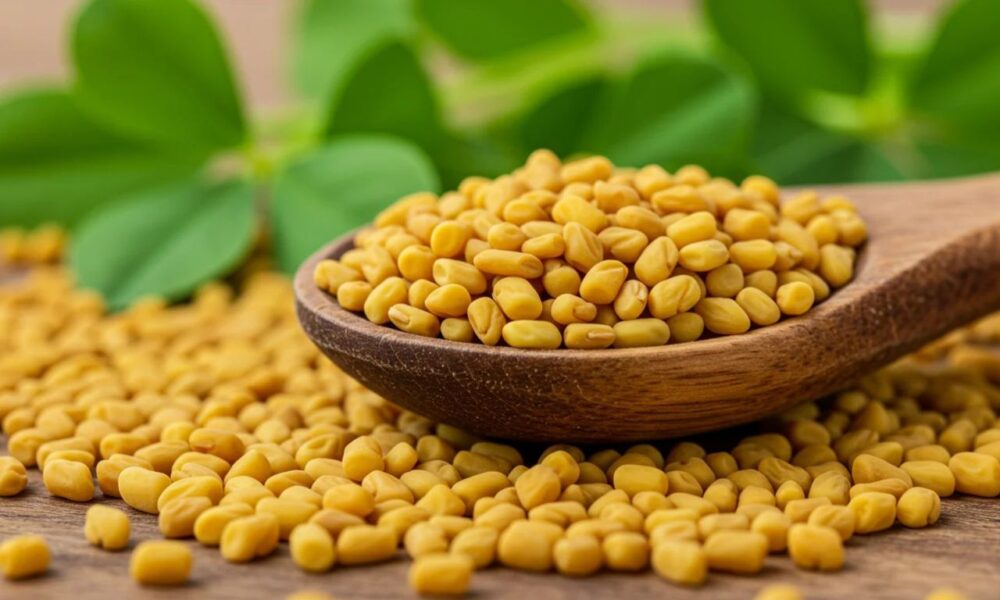
Foenegriek comes from a plant called Trigonella foenum-graecum, which sounds way more complicated than it actually is. The plant grows about two to three feet tall and produces pods filled with small, hard seeds. These seeds are what we call foenegriek or fenugreek in English.
The plant itself has been cultivated in the Mediterranean region, Southern Europe, and Western Asia for over 4,000 years. Ancient Egyptians used it in their embalming process and as a food source. The Greeks and Romans knew about its medicinal properties too. Today, India is the largest producer of foenegriek, where it’s a staple ingredient in curry powders and traditional medicine.
What makes foenegriek unique is its distinct maple syrup-like aroma when cooked. Raw seeds taste slightly bitter, but roasting them brings out a sweet, nutty flavor that adds depth to dishes. The leaves of the plant are also edible and used as a herb in many cultures, particularly in Indian cuisine where they’re called “methi.”
The Nutritional Profile of Foenegriek
Before we dive into the health benefits, let’s look at what’s actually inside these little seeds. Foenegriek packs a surprising nutritional punch for something so small.
One tablespoon of foenegriek seeds contains:
- Calories: About 35
- Protein: 3 grams
- Fiber: 3 grams
- Iron: 20% of your daily value
- Magnesium: 5% of your daily value
- Manganese: 7% of your daily value
Beyond these basics, foenegriek contains several bioactive compounds that make it interesting from a health perspective. It has saponins, which are plant compounds that may help lower cholesterol. The seeds also contain mucilage, a type of soluble fiber that becomes gel-like when mixed with water. This property is partly why foenegriek has been used in traditional medicine for digestive issues.
The seeds are rich in vitamins too, including small amounts of vitamin B6, thiamine, and vitamin C. They also contain various antioxidants that help protect your cells from damage caused by free radicals. According to Our blog, incorporating nutrient-dense ingredients like foenegriek into your diet can contribute to overall wellness when combined with a balanced lifestyle.
Health Benefits That Actually Matter
Now here’s where foenegriek gets really interesting. Scientists have studied these seeds extensively, and while we shouldn’t claim they’re miracle workers, the research shows some genuine promise.
Blood Sugar Management
Multiple studies suggest that foenegriek may help people manage their blood sugar levels. The soluble fiber in the seeds slows down digestion and the absorption of carbohydrates, which can lead to better blood sugar control. Some research indicates that taking foenegriek seed powder with meals might help reduce blood sugar spikes in people with diabetes.
One study found that participants who took foenegriek daily showed improvement in fasting blood sugar levels compared to those who didn’t. However, it’s crucial to remember that foenegriek shouldn’t replace prescribed diabetes medication. If you’re interested in trying it, talk to your doctor first, especially if you’re already taking blood sugar medications.
Cholesterol and Heart Health
The fiber and saponins in foenegriek may help improve cholesterol levels. Several studies have shown that regular consumption of foenegriek can lead to modest reductions in total cholesterol and LDL (the “bad” cholesterol) while potentially increasing HDL (the “good” cholesterol).
The mechanism seems to work through the fiber binding to cholesterol in the digestive system, which helps remove it from the body before it enters the bloodstream. Some research participants saw noticable improvements after taking foenegriek supplements for just eight weeks.
Digestive Support
Traditional medicine has long used foenegriek for digestive complaints, and there’s some scientific backing for this use. The mucilage content can soothe irritated digestive tissues and may help with conditions like acid reflux and stomach inflammation.
The fiber content also supports regular bowel movements and feeds beneficial gut bacteria. A healthy gut microbiome is linked to numerous health benefits beyond digestion, including improved immunity and even mental health.
Using Foenegriek in Your Kitchen
If you’ve never cooked with foenegriek before, you’re missing out on a flavor that can transform ordinary dishes into something special. The key is knowing how to use it properly.
Whole Seeds vs. Ground Powder
Foenegriek comes in two main forms: whole seeds and ground powder. Whole seeds last longer and retain their flavor better, but they need to be roasted or cooked to reduce their bitterness. Ground foenegriek powder is more convenient but loses potency faster, so it’s best stored in an airtight container away from light and heat.
Many cooks prefer to buy whole seeds and grind them fresh when needed. You can do this in a spice grinder or even a clean coffee grinder. The aroma that fills your kitchen when you grind fresh foenegriek is amazing.
Cooking Techniques
Here’s a simple technique that works great: Heat a dry skillet over medium heat and add the foenegriek seeds. Shake the pan frequently and roast them until they turn a shade darker and release their maple-like aroma. This usually takes about 2-3 minutes. Be careful not to burn them, as burnt foenegriek tastes terrible and bitter.
Once roasted, you can grind the seeds or use them whole in curries, stews, and spice blends. In Indian cooking, foenegriek is often tempered in hot oil at the start of cooking, which releases its flavors into the dish.
Recipe Ideas
Foenegriek works beautifully in:
- Curry dishes: It’s a key ingredient in many curry powder blends
- Bread: Ethiopian injera bread traditionally includes foenegriek
- Pickles: The seeds add a unique flavor to homemade pickles
- Tea: Steep crushed seeds in hot water for a distinctive herbal tea
- Spice rubs: Mix ground foenegriek with other spices for meat rubs
Start with small amounts until you get used to the flavor. A little foenegriek goes a long way, and too much can make dishes taste medicinal or overly bitter.
Foenegriek for Women’s Health
Women have used foenegriek for centuries to address various health concerns, and modern research has explored some of these traditional uses.
Breastfeeding Support
One of the most well-known uses of foenegriek is to support milk production in nursing mothers. Many lactation consultants recommend it, and some studies suggest it may increase milk supply. The mechanism isn’t fully understood, but it might relate to foenegriek’s effect on hormone levels.
Nursing mothers typically see results within 24-72 hours if foenegriek is going to work for them. The usual dose is 3-4 capsules (500-600mg each) three times daily, though you should always consult with a healthcare provider before starting any supplement regimen while breastfeeding.
Menstrual Comfort
Some women report that foenegriek helps with menstrual cramps and other period-related discomfort. The seeds contain compounds that may have mild anti-inflammatory effects, which could explain this traditional use. While research in this area is limited, the anecdotal evidence is strong enough that it’s worth considering if you struggle with difficult periods.
Hormonal Balance
Foenegriek contains phytoestrogens, which are plant compounds that can mimic estrogen in the body. This has led to interest in using foenegriek for menopausal symptoms like hot flashes. However, the research here is mixed, and more studies are needed before we can make strong claims about foenegriek’s effectiveness for menopause.
Potential Side Effects and Precautions
Like any supplement or medicinal herb, foenegriek isn’t right for everyone. Understanding the potential downsides helps you make informed decisions.
Common Side Effects
Most people tolerate foenegriek well, but some experience:
- Digestive upset: Gas, bloating, or diarrhea can occur, especially when first starting
- Maple syrup smell: Your sweat and urine might smell like maple syrup (this isn’t harmful but can be surprising)
- Allergic reactions: People allergic to peanuts, chickpeas, or soybeans might also react to foenegriek
Who Should Avoid Foenegriek
Certain groups should be cautious or avoid foenegriek altogether:
- Pregnant women: Foenegriek may stimulate contractions and shouldn’t be used during pregnancy
- People with hormone-sensitive conditions: The phytoestrogens in foenegriek could theoretically affect conditions like breast cancer
- Those taking blood thinners: Foenegriek might increase bleeding risk
- People scheduled for surgery: Stop taking foenegriek at least two weeks before any scheduled surgery
Always tell your doctor about any supplements you’re taking, including foenegriek. It can interact with various medications, particularly diabetes drugs and blood thinners.
Buying and Storing Foenegriek
Quality matters when it comes to spices, and foenegriek is no exception. Here’s what you need to know about purchasing and storing it properly.
Where to Buy
You can find foenegriek in several places:
- Grocery stores: Look in the international or spice section
- Health food stores: Often carry both seeds and supplements
- Indian grocery stores: Usually have high-quality, fresh foenegriek at good prices
- Online retailers: Convenient but check reviews and expiration dates
When buying whole seeds, look for seeds that are uniform in color (golden-brown to amber) and have a strong aroma. Avoid seeds that look dusty or have an off smell.
Storage Tips
Proper storage keeps your foenegriek fresh and potent:
- Store whole seeds in an airtight container in a cool, dark place
- They’ll stay fresh for up to one year
- Ground foenegriek loses flavor faster, so use it within six months
- Consider refrigerating ground foenegriek to extend its shelf life
- Keep foenegriek away from moisture, which can cause mold
Foenegriek in Traditional Medicine Systems
The use of foenegriek spans multiple ancient healing traditions, each recognizing different properties of this versatile seed.
Ayurvedic Medicine
In Ayurveda, India’s traditional medicine system, foenegriek is considered warming and is used to balance the “vata” and “kapha” doshas. Ayurvedic practitioners have prescribed foenegriek for thousands of years to treat digestive issues, support lactation, and address respiratory problems.
The seeds are often combined with other herbs and spices to create specific remedies. For example, mixing foenegriek with ginger and black pepper creates a warming tea that’s believed to support digestion and metabolism.
Traditional Chinese Medicine
Chinese herbalists have also recognized foenegriek’s medicinal properties, though it’s not as central to their practice as it is in Ayurveda. In TCM, foenegriek is thought to warm the kidneys and dispel cold, making it useful for treating certain types of pain and weakness.
Middle Eastern Folk Medicine
Throughout the Middle East, foenegriek has been used for everything from sore throats to skin conditions. Traditional healers would make poultices from ground foenegriek seeds mixed with water to apply to inflamed areas or wounds.
Growing Your Own Foenegriek
If you’re interested in gardening, foenegriek is actually pretty easy to grow. It’s an annual plant that doesn’t require much space or special care.
Planting and Care
Foenegriek grows best in cool to moderate climates. You can plant it in early spring or fall. The seeds germinate quickly, usually within a week, and the plant matures in about three to four months.
Plant seeds about a quarter inch deep in well-draining soil. Space them about four inches apart. Foenegriek doesn’t need much water once established, making it a good choice for gardeners who want low-maintenance herbs. The plants do best in full sun but can tolerate partial shade.
Harvesting
You can harvest foenegriek leaves as a fresh herb once the plants reach about six inches tall. The leaves have a milder flavor than the seeds and work well in salads or cooked dishes.
For seeds, wait until the pods turn brown and start to dry on the plant. Cut the stems and hang them upside down in a paper bag to catch the seeds as the pods split open. This usually happens about four months after planting.
Comparing Foenegriek Products
| Product Type | Pros | Cons | Best For |
|---|---|---|---|
| Whole Seeds | Longer shelf life, versatile, authentic flavor | Requires grinding or cooking, harder to use | Cooking, making fresh tea |
| Ground Powder | Convenient, easy to measure, quick to use | Loses potency faster, less flavorful | Quick recipes, spice blends |
| Capsules | Precise dosing, no taste, portable | More expensive, less versatile | Supplementation, health purposes |
| Tea Bags | Easy preparation, measured portions | Limited uses, less potent | Casual use, trying foenegriek |
The Science Behind Foenegriek’s Benefits
Understanding why foenegriek works helps us use it more effectively. Researchers have identified several active compounds that contribute to its health effects.
Key Active Compounds
4-hydroxyisoleucine is an amino acid found in foenegriek that appears to stimulate insulin secretion, which may explain its blood sugar-lowering effects. This compound works in a glucose-dependent manner, meaning it primarily acts when blood sugar levels are elevated.
Diosgenin is a compound that can be converted into various hormones in the laboratory. While the human body doesn’t convert it the same way, diosgenin may still influence hormone levels, which could explain foenegriek’s effects on lactation and potentially other hormonal functions.
Trigonelline is an alkaloid that gives foenegriek some of its distinctive flavor. Research suggests it may have neuroprotective properties and could play a role in foenegriek’s potential cognitive benefits.
Current Research Directions
Scientists continue studying foenegriek for various applications. Recent research has looked at its potential anti-inflammatory properties, its effects on exercise performance (some athletes use it as a natural testosterone booster, though evidence is mixed), and its possible role in weight management.
One interesting area of study involves foenegriek’s antioxidant capacity. Test-tube studies show that foenegriek extracts can neutralize harmful free radicals, but more human studies are needed to understand if eating foenegriek provides similar benefits in real-world conditions.
Key Takeaways
- Foenegriek is an ancient spice with a rich history in cooking and traditional medicine
- It may help with blood sugar management, cholesterol levels, and digestive health
- The spice has a unique maple-like flavor that works well in curries and spice blends
- Nursing mothers often use foenegriek to support milk production
- Quality matters when buying foenegriek – look for fresh, aromatic seeds
- Most people tolerate it well, but some groups should avoid it or use caution
- Store foenegriek properly to maintain its potency and flavor
- Both the seeds and leaves are edible and nutritious
- Modern research supports some traditional uses of foenegriek
Frequently Asked Questions About Foenegriek
How much foenegriek should I take daily?
For general health purposes, 5-10 grams of foenegriek seed powder per day is commonly used. For specific health conditions or supplement use, follow product instructions or consult a healthcare provider. Start with smaller amounts and increase gradually to minimize digestive upset.
Can foenegriek help with weight loss?
Some research suggests foenegriek may help with appetite control due to its high fiber content, which can make you feel fuller. However, it’s not a magic weight loss solution. Any benefit comes from using it as part of a balanced diet and healthy lifestyle.
Does foenegriek really smell like maple syrup?
Yes! When cooked, foenegriek releases compounds that smell remarkably similar to maple syrup. This is why artificial maple flavoring often contains foenegriek extract. If you take large amounts as a supplement, your body odor may also take on this sweet smell.
How long does it take for foenegriek to work for milk supply?
Nursing mothers typically notice an increase in milk production within 24-72 hours if foenegriek is going to work for them. If you don’t see results after a week, it probably won’t be effective for you. Remember that proper latching, frequent nursing, and adequate hydration are more important than any supplement.
Can I use foenegriek if I have diabetes?
Foenegriek may help with blood sugar management, but you should never use it as a replacement for prescribed diabetes medication. If you have diabetes and want to try foenegriek, talk to your doctor first, as it may affect your medication needs and blood sugar monitoring.
Is foenegriek safe for children?
Small amounts of foenegriek used as a culinary spice are generally safe for children. However, medicinal doses should be avoided in children unless recommended by a pediatrician. There isn’t enough research on foenegriek supplementation in children to confirm its safety.
Conclusion
Foenegriek might not be the flashiest spice in your cabinet, but it’s definitely one of the most interesting. From its ancient roots in traditional medicine to its growing recognition in modern science, this little seed has proven itself worthy of attention.
Whether you’re looking to expand your cooking repertoire, explore natural health remedies, or simply try something new, foenegriek offers plenty of possibilities. Its unique flavor adds depth to dishes, while its potential health benefits make it more than just another spice.
Remember that while foenegriek shows promise for various health applications, it’s not a cure-all. The best approach is to use it as part of a balanced diet and healthy lifestyle. Start small, pay attention to how your body responds, and don’t hesitate to consult healthcare professionals when using it for specific health purposes.
The beauty of foenegriek lies in its versatility. You can enjoy it in a warming curry, sip it as tea, or take it as a supplement. However you choose to incorporate it into your life, you’re connecting with thousands of years of human experience with this remarkable plant. And that’s pretty cool for something you can pick up at your local grocery store.