
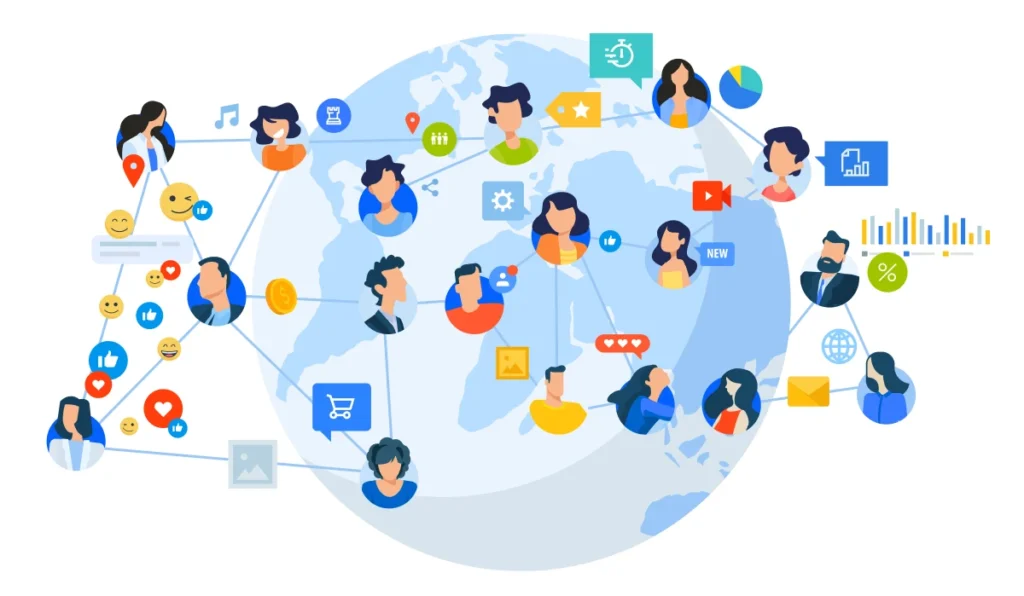
The internet has changed how people share photos and connect with others. One topic that comes up in discussions about online communities is anonib azn. This term relates to image sharing platforms where users post content anonymously. In this guide, we’ll explore what these platforms are, how they work, and what you need to know about staying safe online.
What Are Anonymous Image Boards?
Anonymous image boards are websites where people can post pictures and comments without revealing their identity. These platforms became popular in the early 2000s and have grown into large communities. The concept behind anonib azn connects to Asian-focused content on these anonymous boards.
Users don’t need to create accounts or provide personal information. They simply visit the site, upload an image, and share their thoughts. This freedom attracts millions of visitors every month. However, this same anonymity creates problems too.
The boards organize content into different categories or sections. Each section focuses on specific topics or interests. People can browse through posts, reply to others, or start new discussions. The temporary nature of many posts means content doesn’t stay forever. Some threads disappear after a few hours or days.
These platforms operate differently than social media sites like Facebook or Instagram. There’s no friend list, no profile page, and no permanent record of your activity. This appeals to users who value privacy or want to express opinions without consequences.
History of Anonymous Posting Platforms
The first major anonymous image board started in Japan during the late 1990s. It quickly became one of the largest online communities in the world. American versions followed soon after, copying the same basic structure.
Early users were mostly tech-savvy individuals who enjoyed the freedom of anonymous communication. The sites developed their own culture, language, and inside jokes. Over time, more people discovered these platforms through word of mouth and news coverage.
The concept spread globally, with versions appearing in many countries and languages. Each community developed its own rules and norms. Some focused on humor and entertainment, while others became places for serious discussions or controversial content.
By the 2010s, these boards had influenced mainstream internet culture significantly. Memes, phrases, and trends from anonymous boards often spread to other social media platforms. Many popular internet phenomena originated on these sites before reaching wider audiences.
Understanding the Anonib Azn Community
The term anonib azn specifically refers to sections or boards focused on Asian content within anonymous image sharing networks. These areas attract users interested in Asian culture, people, or related topics.
These communities can include discussions about Asian entertainment, fashion, photography, and daily life. Members share images and engage in conversations about various subjects. The anonymous nature means people feel comfortable discussing topics they might not talk about elsewhere.
However, it’s important to understand that not all content on these platforms is appropriate or legal. Many of these boards have serious problems with unauthorized image sharing and privacy violations. People sometimes post pictures of others without permission, which is both unethical and often illegal.
The communities often lack proper moderation, allowing harmful content to spread. This creates risky environments where personal boundaries get crossed regularly. What might seem like harmless sharing can actually involve stolen private photos or images taken without consent.
Privacy Concerns and Digital Safety
When it comes to platforms related to anonib azn, privacy should be your biggest concern. These sites often host content that violates people’s privacy and dignity. Understanding the risks helps you protect yourself and others.
Never share personal photos on anonymous boards. Once an image is posted online, you lose control over it completely. Other users can download, redistribute, or manipulate your photos without permission. Even if you delete the original post, copies might exist elsewhere.
Many victims of revenge porn and unauthorized image sharing first had their photos appear on anonymous boards. These violations can cause serious emotional distress and real-world consequences. Some people have lost jobs, faced harassment, or experienced relationship problems because of leaked images.
If you discover your photos on these platforms without your consent, document everything immediately. Take screenshots showing the URL, date, and content. Contact the website administrators and request removal. In many jurisdictions, you can also file police reports for these violations.
According to The Daily Focus, digital privacy issues continue to grow as more people share content online. Protecting your personal information requires constant vigilance in today’s connected world.
Legal Issues Surrounding Anonymous Image Boards
The legal situation around platforms like anonib azn is complicated and varies by country. Many activities that occur on these boards violate laws about privacy, copyright, and harassment.
Posting someone’s photos without permission can break several laws. In the United States, victims might have claims under privacy laws, harassment statutes, or copyright regulations. The person who posted the images could face civil lawsuits or criminal charges.
Some countries have specific “revenge porn” laws that make it illegal to share intimate images of someone without consent. These laws include serious penalties like jail time and fines. Even if you didn’t take the original photo, sharing it can still get you in legal trouble.
Website operators face liability too. While some platforms claim protection under safe harbor laws, courts have ruled that sites must remove illegal content when notified. Platforms that knowingly host illegal material or refuse to cooperate with removal requests can be shut down.
Law enforcement agencies worldwide monitor these boards for illegal activity. People have been arrested and prosecuted for crimes related to anonymous image sharing. The idea that anonymity protects you from consequences is false. Digital forensics can often trace posts back to specific individuals.
How These Platforms Affect Mental Health
The culture surrounding anonib azn and similar platforms can negatively impact mental health. Both users and victims experience psychological effects from these environments.
For victims whose images appear without consent, the emotional toll can be severe. Many experience anxiety, depression, and feelings of violation. The inability to control who sees their images creates lasting distress. Some victims struggle with trust issues and fear of further exposure.
Regular users of these platforms also face risks. The constant exposure to inappropriate content can normalize harmful behaviors. Studies show that frequent use of anonymous boards correlates with increased aggression and decreased empathy. The toxic culture on many boards promotes negativity and cynicism.
Anonymity removes accountability, encouraging people to say things they wouldn’t express otherwise. This creates environments filled with hostility and cruelty. Spending time in these spaces can affect how you view others and interact in real life.
Young people are particularly vulnerable to these influences. Adolescent brains are still developing, making them more susceptible to negative messaging. Exposure to harmful content during formative years can shape attitudes and behaviors long-term.
Alternatives to Anonymous Image Sharing
If you’re interested in photography or image sharing, many safer alternatives exist. These platforms prioritize user safety and consent while still allowing creative expression.
Instagram remains popular for photo sharing with privacy controls. You can create private accounts, approve followers, and control who sees your content. The platform has reporting tools and removes content that violates policies.
Flickr offers a community for serious photographers with robust privacy settings. You can join groups based on interests, get feedback on your work, and maintain control over your images. The platform emphasizes respect and proper attribution.
Reddit has photography communities with moderation and rules against unauthorized image sharing. Subreddits dedicated to photography, Asian culture, and other interests provide spaces for discussion without the risks of anonymous boards.
Pinterest allows image sharing and discovery with safeguards against inappropriate content. The platform works hard to create positive environments where people can find inspiration without encountering harmful material.
These alternatives prove you don’t need anonymity to enjoy online communities. Accountability actually creates better spaces where people treat each other with respect.
Teaching Digital Citizenship
Education about platforms like anonib azn is crucial for preventing harm. Young people need to understand the consequences of sharing images online and the importance of consent.
Schools should include digital citizenship in their curriculum. Students need to learn about online privacy, the permanence of digital content, and how to protect themselves. Discussions about respect and consent should extend to online behavior.
Parents must talk with their children about safe internet use. These conversations should start early and continue as kids grow older. Explain the risks of sharing photos and the importance of asking permission before posting images of others.
Understanding how to recognize and report inappropriate content is essential. Everyone should know how to use reporting tools on various platforms and when to involve authorities. Bystanders play important roles in stopping the spread of unauthorized images.
Creating positive online spaces starts with individual choices. Every person who refuses to view or share unauthorized images helps reduce demand for this content. Collective action can change internet culture for the better.
Technology and Image Protection
New technologies are emerging to help protect images and prevent unauthorized sharing. Understanding these tools can help you safeguard your photos.
Watermarking adds visible marks to images that identify the creator or owner. While not foolproof, watermarks discourage casual theft and make unauthorized use obvious. Many photo editing programs include watermarking features.
Reverse image search tools let you check if your photos appear elsewhere online. Google Images and TinEye allow you to upload an image and find other places it’s been posted. Regular searches help you monitor your digital footprint.
Some platforms now use artificial intelligence to detect and block unauthorized intimate images. These systems can recognize when someone tries to upload content that matches known private photos. The technology isn’t perfect but provides another layer of protection.
Metadata removal tools strip location data and other information from photos before sharing. This prevents people from learning where you live or when photos were taken. Many smartphones now include options to disable location tagging.
Encryption and secure sharing platforms ensure only intended recipients can view your photos. Apps designed for private photo sharing use end-to-end encryption, making it difficult for others to intercept your images.
The Role of Platform Accountability
Websites that host content related to anonib azn have responsibilities to prevent harm. Platform accountability is essential for creating safer online spaces.
Sites should implement strong moderation policies and actually enforce them. This means having staff review reported content quickly and removing violations. Automated systems can help flag problematic posts, but human review remains necessary.
Clear terms of service should explicitly prohibit unauthorized image sharing. Users need to understand the rules and consequences for breaking them. Platforms should make reporting easy and respond to complaints promptly.
Cooperation with law enforcement is crucial when illegal content appears. Websites should preserve evidence and provide information to investigators when appropriate. Platforms that protect users posting illegal content become part of the problem.
Age verification systems can help keep minors away from inappropriate content. While not perfect, these tools add another barrier that protects young people. Combined with other safety measures, age verification contributes to safer platforms.
Transparency reports showing how many violations are removed and how quickly help hold platforms accountable. Public pressure can motivate companies to invest more resources in safety and moderation.
Building Healthier Online Communities
Creating positive alternatives to problematic platforms requires effort from everyone. Healthier online communities are possible when people commit to respect and consent.
Start by modeling good behavior yourself. Only share images you have permission to post. Ask before tagging people in photos. Respect when someone requests you remove an image. These small actions demonstrate respect for others’ boundaries.
Support platforms and communities that prioritize user safety. Choose to spend your time in moderated spaces with clear rules. When you see inappropriate content, report it instead of engaging. Your choices about where to participate shape the internet’s culture.
Speak up when friends or peers share unauthorized images. Let them know it’s not okay and explain the harm it causes. Peer pressure can be positive when it discourages harmful behaviors.
Celebrate consent and respect in online interactions. Compliment people who ask permission before sharing. Thank moderators who keep communities safe. Positive reinforcement encourages more people to act responsibly.
Remember that real people exist behind every image and post. Treating online interactions with the same respect you’d show in person creates better experiences for everyone.
Key Takeaways
| Point | Details |
|---|---|
| Anonymity Risks | Anonymous platforms often lack accountability, leading to privacy violations |
| Legal Consequences | Sharing unauthorized images can result in criminal charges and civil lawsuits |
| Mental Health Impact | Both victims and users experience negative psychological effects |
| Protection Tools | Watermarking, reverse image search, and encryption help protect photos |
| Platform Responsibility | Websites must enforce policies and cooperate with law enforcement |
| Safer Alternatives | Many platforms offer photo sharing with better privacy controls |
Frequently Asked Questions
What does anonib azn mean?
The term refers to sections of anonymous image boards focused on Asian content. These areas exist on platforms where users post without revealing their identity.
Are anonymous image boards illegal?
The boards themselves aren’t necessarily illegal, but many host illegal content like unauthorized photos. Using these sites to view or share such content can violate laws.
How can I protect my photos online?
Never share intimate photos digitally. Use watermarks on public photos. Regularly search for your images online. Enable privacy settings on social media and only share with trusted people.
What should I do if I find my photos posted without permission?
Document everything with screenshots. Contact the website to request removal. File a report with local police if the content is intimate or harassing. Consider consulting a lawyer about your options.
Can posting anonymously really get you in trouble?
Yes. Digital forensics can often identify users even on anonymous platforms. IP addresses, metadata, and posting patterns help law enforcement track individuals.
Why do people use these platforms?
Some seek the freedom to express opinions without social consequences. Others enjoy the culture and humor. Unfortunately, some use anonymity specifically to harm others through unauthorized image sharing.
Conclusion
Understanding platforms related to anonib azn is important in today’s digital world. These anonymous image boards present serious risks to privacy, safety, and wellbeing. While they attract users through promises of freedom and anonymity, the reality involves legal problems, ethical violations, and real harm to real people.
Protecting yourself online requires awareness and careful choices about what you share and where you spend time. Never share personal photos on anonymous platforms. Choose alternatives that prioritize consent and provide safety features. If you encounter unauthorized images of yourself or others, take action through reporting and legal channels.
The internet doesn’t have to be a dangerous place. By making responsible choices, supporting accountable platforms, and treating others with respect, we can build better online communities. Everyone deserves privacy and dignity, both offline and online. Your actions contribute to shaping internet culture, so choose to be part of the solution rather than the problem.
Remember that what happens online has real-world consequences. The temporary thrill of anonymous posting isn’t worth the potential harm to yourself or others. Stay safe, respect boundaries, and help create an internet where everyone feels secure.