
The internet has become such a big part of our daily lives that we hardly notice it anymore. But sometimes things happen online that shake us up a bit. These moments, which we call internetchocks, are like digital wake-up calls that remind us how connected and vulnerable we all are in this online world.
Think about the last time your favorite website went down, or when you heard about a massive data breach. That uneasy feeling you got? That’s what internetchocks are all about. These disruptions can range from small hiccups to major events that affect millions of people at once.
What Are InternetChocks and Why Should You Care
InternetChocks are unexpected disruptions or shocking events that happen in our digital world. They can be anything from sudden service outages to cyber attacks that make headlines. The term captures those moments when the internet surprises us in ways we didn’t see coming.
These digital shocks affect everyone differently. For some people, it might mean not being able to check social media for a few hours. For businesses, it could mean losing thousands of dollars per minute. The impact really depends on how much you rely on internet services for your daily activities.
What makes internetchocks particularly interesting is how quickly they spread. News about a major website crash can go viral in minutes. People share their experiences, memes start flying around, and suddenly everyone’s talking about the same digital disaster. It’s like a shared experience that brings internet users together, even if the reason isn’t always pleasant.
The frequency of these events seems to be increasing too. As more of our lives move online, there are simply more opportunities for things to go wrong. From streaming services to banking apps, we’re putting a lot of trust in digital systems that aren’t always perfect.
Common Types of InternetChocks You Might Experience
There are several different kinds of internetchocks that regular internet users encounter. Website crashes probably top the list. You know that frustrating moment when you click on a link and get an error message instead? That’s one of the most common forms of digital disruption we face today.
Social media outages create particularly noticeable internetchocks. When platforms like Instagram or Facebook go down, millions of users suddenly find themselves disconnected from their online communities. These events often trend on other platforms as people rush to confirm that the problem isn’t just on their end.
Cyber attacks represent more serious internetchocks. When hackers target major companies or institutions, the ripple effects can be massive. Personal information gets compromised, services become unavailable, and people lose trust in the affected organizations. These incidents serve as stark reminders that online security matters more than ever.
Viral misinformation also creates its own kind of internetchocks. False news spreads rapidly online, causing confusion and sometimes real-world consequences. The speed at which incorrect information travels can be genuinely shocking, especially when you see how many people believe and share it before fact-checkers can catch up.
Technical glitches might seem minor, but they create internetchocks too. Imagine trying to make an important online payment and the system keeps rejecting your card. Or attempting to join a crucial video meeting only to find the platform isn’t working properly. These small disruptions add up and affect our daily productivity.
How InternetChocks Impact Your Daily Life
The effects of internetchocks reach into almost every part of modern life. When your email service goes down, you might miss important messages from work or school. A banking app malfunction could prevent you from paying bills on time. These aren’t just minor inconveniences anymore – they’re genuine problems that can have real consequences.
Students experience internetchocks differently than other groups. Online learning platforms crash right before assignment deadlines. Research databases become inaccessible during study sessions. These disruptions can affect grades and learning outcomes in meaningful ways.
For remote workers, internetchoks can be especially stressful. Video conferencing tools fail during important meetings. Cloud storage services become unreachable when you need to access critical files. Project management platforms go offline right when deadlines are approaching. The modern workplace depends heavily on digital tools that sometimes let us down.
Entertainment gets disrupted by internetchocks too. Streaming services buffer endlessly during the climax of your favorite show. Gaming servers crash in the middle of intense matches. Music platforms stop working during your workout. While these might seem less serious than work-related problems, they affect how we relax and enjoy our free time.
Shopping online introduces its own set of potential internetchocks. Payment gateways fail at checkout. Product pages show incorrect information. Order confirmation emails never arrive. These issues create frustration and sometimes financial complications that take time to sort out.
The Psychology Behind Our Reactions to InternetChocks
Understanding why internetchocks bother us so much involves looking at human psychology. We’ve become incredibly dependent on digital services, often without realizing it. When those services suddenly become unavailable, we experience a form of digital withdrawal that can genuinely affect our mood and stress levels.
The unpredictability of internetchocks adds to their psychological impact. We expect the internet to work consistently, so when it doesn’t, we feel caught off guard. This element of surprise triggers stress responses in our brains that can be surprisingly intense for what might seem like minor technical problems.
Social factors play a role too. Many people fear missing out when social media platforms experience outages. The anxiety of not knowing what’s happening in your online communities can be real and uncomfortable. This reflects how deeply integrated social media has become in modern social life.
Trust issues emerge after experiencing significant internetchocks. Once you’ve been affected by a data breach or major service failure, you might approach online activities more cautiously. This heightened awareness isn’t necessarily bad, but it does change how we interact with digital services going forward.
Major InternetChocks That Changed Everything
Some internetchocks have been so significant that they changed how we think about the internet entirely. The Facebook outage of 2021, which lasted several hours, affected billions of users worldwide. This event highlighted just how much of our digital infrastructure depends on a small number of large companies.
Major data breaches represent another category of memorable internetchocks. When companies like Equifax or Yahoo announce that millions of user accounts have been compromised, it sends shockwaves through the internet community. These incidents have led to stronger security requirements and greater awareness of online privacy issues.
Ransomware attacks on critical infrastructure create particularly serious internetchoks. When hospitals, schools, or government agencies get hit by cyber criminals, the consequences extend far beyond the digital realm. These events demonstrate that internet security is now a matter of public safety, not just personal convenience.
The COVID-19 pandemic created unique internetchocks as internet usage skyrocketed almost overnight. Video conferencing platforms struggled to handle unprecedented demand. Educational websites crashed under the load of millions of students trying to access them simultaneously. These challenges pushed technology companies to rapidly improve their infrastructure and capacity.
Protecting Yourself from InternetChocks
While you can’t prevent all internetchocks, you can take steps to minimize their impact on your life. Start by diversifying your digital services. Don’t put all your eggs in one basket. Use multiple email providers, backup your important files in several locations, and have alternative ways to access critical services.
Strong passwords and two-factor authentication help protect you from security-related internetchocks. Yes, setting these up takes a bit of time, but the protection they offer is worth it. Think of them as digital seatbelts – hopefully you won’t need them, but you’ll be glad they’re there if something goes wrong.
Staying informed about potential internetchocks helps too. Follow tech news sources that report on outages and security issues. Being aware of problems as they develop lets you adjust your plans accordingly. You might choose to delay important transactions if you know a payment system is experiencing issues, for example.
Keep offline backups of truly essential information. Screenshots of important confirmations, printed copies of critical documents, and local storage of important files can all help you weather digital disruptions more smoothly. It might seem old-fashioned, but having physical backups provides peace of mind.
Regular software updates might seem annoying, but they’re crucial for avoiding security-related internetchocks. Many cyber attacks exploit known vulnerabilities that have already been patched. Keeping your devices and applications updated closes these security gaps and makes you a harder target for hackers.
The Business Side of InternetChocks
Companies face different challenges with internetchocks than individual users do. When a business website goes down, it doesn’t just inconvenience customers – it costs money. E-commerce sites can lose thousands of dollars per minute during outages. This financial pressure drives companies to invest heavily in reliable infrastructure and backup systems.
Reputation damage from internetchocks can last much longer than the disruption itself. Customers remember when companies fail to protect their data or can’t keep services running reliably. Building back trust after a major incident takes time and consistent effort. Some businesses never fully recover from serious internetchocks.
The rise of cybersecurity insurance shows how seriously companies take these risks. Businesses now buy policies that cover losses from data breaches, ransomware attacks, and other digital disasters. This shift reflects a broader recognition that internetchocks aren’t just technical problems – they’re business risks that need to be managed strategically.
Small businesses often struggle more with internetchocks than larger corporations. They typically have fewer resources for backup systems and disaster recovery. A prolonged outage or successful cyber attack can threaten the survival of a small company in ways that larger organizations with deeper pockets can absorb more easily.
According to The Daily Focus, the economic impact of internetchocks continues to grow as more business activities move online. This trend makes understanding and preparing for digital disruptions increasingly important for companies of all sizes.
Future Trends in InternetChocks
The nature of internetchocks continues to evolve as technology advances. Artificial intelligence introduces new types of potential disruptions. As AI systems become more integrated into critical services, malfunctions or biases in these systems could create unexpected problems that affect large numbers of people simultaneously.
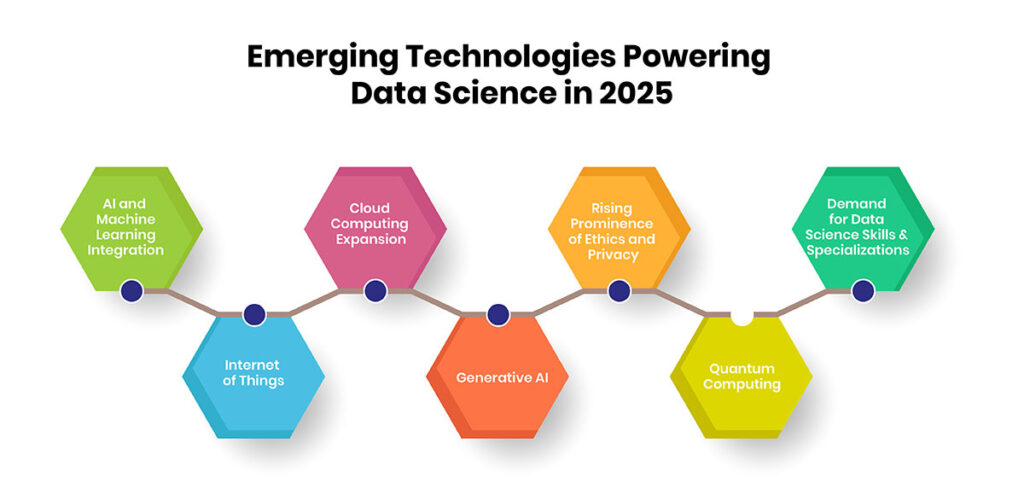
The Internet of Things expands the surface area for internetchocks. Smart homes, connected cars, and wearable devices all create new points of potential failure. When your refrigerator or thermostat depends on internet connectivity, technical problems can affect your physical comfort and safety, not just your digital convenience.
Quantum computing might eventually create entirely new categories of internetchocks. These powerful machines could potentially break current encryption methods, requiring a complete overhaul of online security systems. While this transition is still years away, it represents the kind of fundamental change that could shake up the entire digital landscape.
Decentralized internet technologies like blockchain might reduce some types of internetchocks while introducing others. These systems are designed to be more resilient to single points of failure, but they come with their own complexity and potential vulnerabilities that we’re still learning to navigate.
The Role of Government and Regulation
Governments worldwide are paying more attention to internetchocks and their effects on society. New regulations aim to protect consumers from the worst consequences of digital disruptions. Data protection laws like GDPR in Europe and CCPA in California represent attempts to give people more control over their online information and hold companies accountable when things go wrong.
Critical infrastructure protection has become a major focus for government agencies. Power grids, water systems, and transportation networks increasingly rely on internet-connected systems. Protecting these services from cyber attacks and technical failures is now considered a matter of national security in many countries.
International cooperation on internetchocks remains challenging. Cyber attacks often cross borders, making them difficult to investigate and prosecute. Different countries have different standards for data protection and cybersecurity, creating gaps that can be exploited by bad actors.
Balancing security with privacy presents ongoing challenges for policymakers. Stronger security measures sometimes require more monitoring and less anonymity online. Finding the right balance between protecting people from internetchocks and preserving their digital freedoms continues to spark debate.
Learning to Live with InternetChocks
Accepting that internetchocks will continue to happen is an important part of digital literacy. The internet isn’t going to become perfectly reliable anytime soon. Understanding this reality helps us develop reasonable expectations and better coping strategies when things go wrong.
Building resilience means having backup plans for when your primary digital tools fail. Know alternative ways to contact important people. Keep paper copies of critical information. Have offline entertainment options ready. These simple preparations make internetchocks less disruptive when they inevitably occur.
Community support during internetchocks can be surprisingly valuable. When a major platform goes down, people often come together on other platforms to share information, commiserate, and help each other work around the problem. These moments of shared difficulty can actually strengthen online communities.
Teaching younger generations about internetchocks prepares them for reality. Kids growing up today sometimes assume the internet will always work perfectly. Helping them understand that digital services can fail, and showing them how to cope with those failures, builds important life skills for the modern world.
Key Takeaways
| Aspect | Key Point |
|---|---|
| Definition | InternetChocks are unexpected digital disruptions affecting online services |
| Common Types | Website crashes, cyber attacks, social media outages, and viral misinformation |
| Personal Impact | Affects work, education, entertainment, and daily communications |
| Protection | Use strong passwords, diversify services, keep backups, stay informed |
| Business Effects | Financial losses, reputation damage, and long-term trust issues |
| Future Outlook | AI, IoT, and new technologies will create evolving challenges |
Important Points to Remember:
- InternetChocks affect everyone but impact people differently based on their digital dependence
- Most disruptions are temporary, but some have lasting consequences
- Preparation and awareness reduce the negative effects of digital disruptions
- Both individuals and businesses need strategies for handling internetchocks
- The frequency and variety of internetchocks will likely increase as technology advances
- Government regulation plays a growing role in managing digital disruptions
- Building digital resilience is becoming an essential life skill
Conclusion
InternetChocks are now a permanent feature of our digital landscape. As we continue integrating internet services into every aspect of our lives, these disruptions become more noticeable and impactful. Understanding what internetchocks are, how they affect us, and what we can do about them helps us navigate the modern digital world more successfully.
The key isn’t to avoid the internet or live in fear of the next disruption. Instead, we need to develop healthy digital habits that include preparation for when things go wrong. This means staying informed, protecting our accounts, backing up important data, and maintaining perspective when temporary problems occur.
Looking ahead, internetchocks will continue evolving along with technology. New innovations will bring new types of disruptions we can’t fully predict today. But they’ll also bring solutions and improvements that make our digital infrastructure more robust and reliable over time.
By understanding internetchocks and learning to manage them effectively, we can enjoy the benefits of our connected world while minimizing the stress and disruption when things occasionally go wrong. That balanced approach represents the best path forward in an increasingly digital future.
Frequently Asked Questions
What exactly are internetchocks? InternetChocks are unexpected disruptions or shocking events that occur in the digital world, ranging from simple website crashes to major cyber attacks that affect millions of users.
How common are internetchocks? They’re quite common actually. Small disruptions happen daily, while larger events affecting major platforms occur several times per year. The frequency seems to be increasing as more services move online.
Can I completely avoid internetchocks? No, you can’t completely avoid them, but you can minimize their impact through preparation like using strong passwords, keeping backups, and diversifying the services you rely on.
Are internetchocks getting more serious over time? In some ways yes, because we depend more heavily on digital services than ever before. However, companies are also improving their security and infrastructure, so the situation is complex.
What should I do during a major internetchock? Stay calm, check reliable news sources to understand the scope of the problem, avoid sharing unverified information, and have backup plans ready for accessing critical services.
How do businesses prepare for internetchocks? Businesses invest in backup systems, cybersecurity insurance, disaster recovery plans, and employee training to handle disruptions effectively and minimize financial losses.
Will internetchocks ever stop happening? Probably not completely. As long as we use complex digital systems managed by humans, there will be occasional failures and disruptions. The goal is to make them less frequent and less severe.