
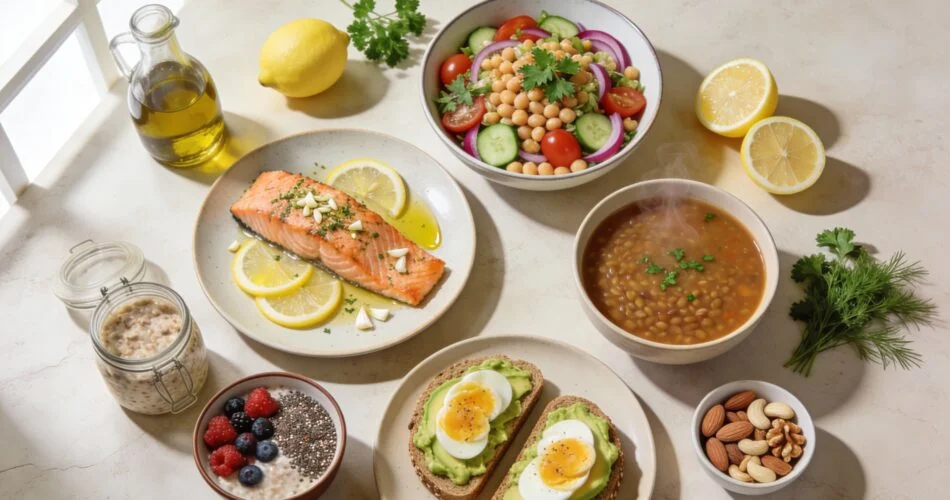
Have you ever felt confused about what to cook when trying to eat healthier? You’re not alone. The cooking guide heartumental approach is changing how people think about heart-healthy meals. This isn’t about bland, boring food that makes you miss your favorite dishes. It’s about creating meals that support your heart while still making your taste buds happy.
Many people struggle with cooking because they think healthy food has to be complicated or tasteless. But that’s just not true. With the right guidance and simple techniques, anyone can prepare delicious meals that are good for their heart. Whether you’re cooking for yourself or your whole family, this guide will help you understand the basics and build confidence in the kitchen.
What Is the Cooking Guide Heartumental Approach?
The cooking guide heartumental method focuses on preparing meals that support cardiovascular health without sacrificing flavor. This approach combines traditional cooking wisdom with modern nutritional science. It teaches you how to choose ingredients that naturally support heart function while avoiding things that can cause problems over time.
Think of it as a roadmap for your kitchen adventures. Instead of following strict rules that feel impossible to maintain, you learn flexible principles that work with your lifestyle. The heartumental approach recognizes that everyone’s situation is different. Some people need to watch their sodium intake closely, while others might focus more on reducing saturated fats.
The beauty of this method is its simplicity. You don’t need expensive equipment or hard-to-find ingredients. Most recipes use everyday items you can find at any grocery store. The focus is on whole foods like vegetables, fruits, whole grains, lean proteins, and healthy fats. These ingredients work together to create meals that taste good and make you feel good too.
According to Our blog, understanding the basics of heart-healthy cooking can significantly improve your overall wellbeing. The key is consistency, not perfection. Even small changes in how you cook can add up to big benefits over time.
Essential Ingredients for Heart-Healthy Cooking
Building a heart-friendly pantry is the first step in your cooking guide heartumental journey. Having the right ingredients on hand makes it easier to prepare healthy meals without stress. You don’t need to buy everything at once. Start with a few basics and gradually expand your collection as you try new recipes.
Healthy Oils and Fats:
- Extra virgin olive oil for cooking and dressings
- Avocado oil for high-heat cooking
- Coconut oil in moderation
- Nuts and seeds for snacking and adding to dishes
Whole Grains:
- Brown rice and quinoa
- Whole wheat pasta
- Oats for breakfast
- Barley and farro for variety
Lean Proteins:
- Chicken breast and turkey
- Fish like salmon, tuna, and mackerel
- Beans and lentils
- Tofu and tempeh
These ingredients form the foundation of countless healthy meals. They’re versatile, affordable, and available almost everywhere. The cooking guide heartumental philosophy encourages you to experiment with different combinations to find what you enjoy most. Don’t be afraid to try new things, even if they seem unfamiliar at first.
Fresh herbs and spices are also crucial for this approach. They add tons of flavor without extra sodium or unhealthy fats. Garlic, ginger, turmeric, basil, cilantro, and oregano are all excellent choices. They not only taste great but also contain compounds that may benefit your cardiovascular system.
Kitchen Tools That Make Heartumental Cooking Easier
You don’t need a fancy kitchen to follow the cooking guide heartumental method. However, having a few key tools can make the process smoother and more enjoyable. Good equipment helps you cook more efficiently and can even make healthy cooking techniques easier to master.
A quality non-stick pan is essential. It allows you to cook with less oil while preventing food from sticking. This simple tool helps you reduce unnecessary fats without compromising on taste or texture. Look for pans that are free from harmful chemicals and can withstand medium to high heat.
A sharp chef’s knife is probably the most important tool in any kitchen. It makes chopping vegetables faster and safer. When your knife is dull, you have to use more pressure, which increases the risk of accidents. A good knife doesn’t have to be expensive, but it should feel comfortable in your hand and hold its edge well.
Other helpful tools include a steamer basket for vegetables, measuring cups and spoons, mixing bowls in various sizes, and a blender or food processor. These items expand your cooking options and help you prepare ingredients more efficiently. As you become more comfortable with the cooking guide heartumental approach, you might add specialized items like a spiralizer for vegetable noodles or an air fryer for crispy foods without deep frying.
Basic Cooking Techniques for Heart Health
Learning proper cooking techniques is central to the cooking guide heartumental philosophy. The way you prepare food affects both its nutritional value and its taste. Some methods preserve nutrients better than others, and some add unnecessary fats or calories. Understanding these differences helps you make better choices every day.
Steaming is one of the healthiest cooking methods. It preserves vitamins and minerals that might be lost through other techniques. Steaming works great for vegetables, fish, and even some grains. The food cooks gently in the steam, maintaining its natural flavor and texture. You can add herbs or lemon to the water for extra flavor.
Grilling and roasting are excellent alternatives to frying. These methods develop rich, complex flavors through caramelization without needing much added fat. When you grill vegetables, they get slightly charred and sweet. Roasted chicken develops a crispy skin while staying juicy inside. Both techniques are simple once you understand the basic temperature and timing guidelines.
Sautéing with minimal oil is another key technique in the cooking guide heartumental toolkit. Use just enough oil to coat the pan, then add your ingredients. The high heat cooks food quickly while developing flavor. This method works well for vegetables, shrimp, chicken strips, and more. Keep things moving in the pan to prevent sticking and ensure even cooking.
Poaching is perfect for delicate proteins like fish and eggs. The food simmers gently in liquid, staying moist and tender. This technique requires no added fat at all. You can poach in water, broth, or even tomato sauce for extra flavor.
Planning Your Weekly Menu with Heartumental Principles
Meal planning is a game-changer when following the cooking guide heartumental approach. It reduces stress, saves money, and helps you stick to your health goals. When you plan ahead, you’re less likely to resort to unhealthy takeout or processed foods on busy nights.
Start by choosing 4-5 main dishes for the week. Pick recipes that use similar ingredients to minimize waste and shopping time. For example, if you buy a bunch of spinach, plan multiple meals that include it. Maybe a spinach salad one night, sautéed spinach as a side another night, and spinach mixed into pasta on a third night.
Consider your schedule when planning. Save quick meals for busy weekdays and more involved recipes for weekends when you have more time. The cooking guide heartumental method emphasizes flexibility. If plans change, you can easily swap meals around since you already have the ingredients on hand.
Batch cooking is another smart strategy. Prepare larger portions of certain items like grains, beans, or roasted vegetables at the begining of the week. Then use them in different combinations throughout the week. This approach saves time and ensures you always have healthy components ready to assemble into meals.
Don’t forget about leftovers. Many heart-healthy dishes taste even better the next day as flavors have time to blend. Plan to cook extra portions intentionally, then pack them for lunch or enjoy them for dinner later in the week. This habit reduces waste and gives you built-in convenience.
Breakfast Ideas That Support Heart Health
Morning meals set the tone for your entire day. The cooking guide heartumental approach to breakfast focuses on foods that provide sustained energy without causing blood sugar spikes. A good breakfast includes fiber, protein, and healthy fats to keep you satisfied until lunch.
Oatmeal is a classic heart-healthy choice. It contains soluble fiber that can help manage cholesterol levels. But plain oatmeal can be boring. Make it interesting by adding fresh berries, a sprinkle of cinnamon, chopped nuts, and a drizzle of honey. You can prepare overnight oats the night before for a grab-and-go option.
Eggs are incredibly versatile and packed with protein. Make a vegetable omelet with peppers, onions, and mushrooms. Or try a scramble with spinach and tomatoes served on whole grain toast. The key is to use cooking spray or a small amount of olive oil instead of butter. Add flavor with herbs and a little black pepper instead of salt.
Smoothies offer endless possibilities for creativity. Blend together leafy greens, frozen fruit, a tablespoon of nut butter, and unsweetened almond milk for a nutrient-packed breakfast. The cooking guide heartumental method encourages using whole fruits rather than juice to maintain the fiber content. You can also add chia seeds or ground flaxseed for extra omega-3 fatty acids.
Greek yogurt parfaits are another excellent option. Layer yogurt with fresh fruit and a small handful of granola. Choose plain yogurt and add your own sweetness through fruit rather than buying pre-sweetened varieties that often contain excessive sugar.
Lunch and Dinner Recipes Made Simple
Main meals don’t have to be complicated to follow the cooking guide heartumental guidelines. Many delicious and nutritious dishes come together in 30 minutes or less. The secret is having your pantry stocked with the right ingredients and knowing a few reliable formulas you can adapt based on what you have available.
A basic formula for heart-healthy meals includes a lean protein, plenty of vegetables, a whole grain, and a flavorful sauce or seasoning. For example, grilled chicken breast with roasted Brussels sprouts and quinoa, topped with a lemon-herb dressing. This combination provides complete nutrition and satisfies your hunger without leaving you feeling heavy.
Fish is especially important in the cooking guide heartumental approach. Salmon contains omega-3 fatty acids that benefit heart health. Try baking salmon with a glaze made from Dijon mustard, garlic, and a touch of maple syrup. Serve it alongside steamed broccoli and brown rice for a complete meal. The entire dish takes about 25 minutes from start to finish.
Vegetarian meals deserve attention too. A hearty lentil soup with vegetables and spices makes a filling dinner that’s naturally low in fat and high in fiber. Bean-based dishes like black bean tacos or chickpea curry are budget-friendly options that taste amazing. The cooking guide heartumental philosophy recognizes that reducing meat consumption, even occasionally, can benefit both your health and the environment.
Sheet pan dinners simplify cooking and cleanup. Arrange chicken pieces or fish fillets on a baking sheet with chopped vegetables, drizzle everything with olive oil, season well, and roast until done. You get a complete meal from one pan with minimal effort.
Smart Snacking for Better Heart Health
Snacks can either support or undermine your health goals. The cooking guide heartumental approach teaches you to choose snacks that provide real nutrition rather than empty calories. When you get hungry between meals, reach for options that include protein, fiber, or healthy fats to keep you satisfied.
Fresh fruit is nature’s perfect snack. Apples, bananas, oranges, and berries require no preparation and travel well. Pair fruit with a small handful of nuts for a more balanced snack that provides lasting energy. The combination of natural sugars and healthy fats prevents blood sugar swings.
Vegetables with hummus make an excellent mid-afternoon snack. Cut up carrots, celery, bell peppers, and cucumbers at the beginning of the week so they’re ready when you need them. Hummus provides protein and fiber while adding great flavor. This simple combination keeps you full and helps you avoid less healthy choices.
Air-popped popcorn is a whole grain snack that’s low in calories when prepared without excessive butter or oil. Season it with herbs, nutritional yeast, or a tiny bit of parmesan cheese for flavor. Make a big batch and portion it into small bags for easy snacking throughout the week.
Greek yogurt with a few walnuts and berries provides probiotics, protein, and antioxidants. This snack supports digestive health while keeping hunger at bay. According to the cooking guide heartumental principles, choosing snacks with multiple nutritional benefits maximizes the value of every bite.
Dining Out While Following Heartumental Guidelines
Eating at restaurants doesn’t mean abandoning your health goals. The cooking guide heartumental approach works anywhere, even when someone else is doing the cooking. You just need to know what to look for and how to make smart modifications.
Most restaurants are happy to accomodate requests. Ask for grilled or baked proteins instead of fried. Request sauces and dressings on the side so you can control how much you use. Choose steamed vegetables as your side instead of fries or creamy dishes. These simple swaps dramatically change the nutritional profile of your meal.
Read menu descriptions carefully. Words like “crispy,” “breaded,” “creamy,” and “smothered” usually indicate higher fat content. Look for terms like “grilled,” “baked,” “roasted,” “steamed,” or “broiled” instead. The cooking guide heartumental mindset helps you identify healthier options quickly.
Don’t be afraid to ask questions about how dishes are prepared. Good restaurants want you to enjoy your meal and will often adjust preparations to meet your needs. If a dish comes with a heavy sauce, ask if they can serve it with olive oil and lemon instead.
Portion control is challenging at restaurants because servings are often much larger than necessary. Consider sharing an entrée with a friend or immediately boxing half to take home. Start with a salad or vegetable-based appetizer to help fill you up before the main course arrives.
Common Mistakes to Avoid in Heart-Healthy Cooking
Even with the best intentions, people sometimes make errors that reduce the benefits of the cooking guide heartumental approach. Understanding these common mistakes helps you avoid them and achieve better results.
Using too much salt is probably the biggest issue. Many people think healthy food needs extra sodium to taste good, but that’s not true. When you reduce salt gradually, your taste buds adjust and you start appreciating the natural flavors of food. Use herbs, spices, citrus juice, and vinegar to add flavor without sodium.
Overcooking vegetables destroys nutrients and makes them unappetizing. Most vegetables should be cooked just until tender-crisp, maintaining some texture and bright color. Mushy, overcooked vegetables lose vitamins and don’t taste as good. The cooking guide heartumental method emphasizes proper technique to preserve both nutrition and flavor.
Thinking all fats are bad is another common misconception. Your body needs healthy fats to function properly and absorb certain vitamins. Olive oil, avocados, nuts, and fatty fish provide essential nutrients. The key is choosing the right types of fats and using appropriate portions.
Neglecting to read food labels leads to hidden sodium, sugar, and unhealthy fats in supposedly healthy products. Even items marketed as “heart-healthy” or “natural” can contain problematic ingredients. Take time to check labels and choose products with short ingredient lists made up of recognizable foods.
Building Long-Term Success with Heartumental Cooking
Creating lasting change requires more than just knowing what to do. The cooking guide heartumental approach succeeds when it becomes part of your regular routine rather than a temporary diet. Building sustainable habits takes time, but it’s absolutely possible with the right mindset.
Start small and build gradually. Don’t try to overhaul your entire diet overnight. Pick one or two changes to implement, like adding more vegetables to dinner or switching to whole grain bread. Once those changes feel natural, add another. This incremental approach prevents overwhelm and increases your chances of success.
Find recipes you genuinely enjoy. If you force yourself to eat foods you don’t like, you won’t stick with it. The cooking guide heartumental philosophy includes thousands of possible recipes and flavor combinations. Experiment until you discover dishes that excite you. When healthy food tastes good, eating well becomes easy.
Involve your family in the process. Cook together, let kids help choose recipes, and make meal preparation a shared activity rather than a chore. When everyone participates, they’re more invested in the outcome. Plus, teaching children healthy cooking skills gives them tools they’ll use for life.
Be flexible and forgiving with yourself. There will be days when you eat less healthy foods, and that’s okay. The cooking guide heartumental approach isn’t about perfection. It’s about making better choices most of the time. If you have a setback, simply return to your healthy habits at the next meal.
Key Takeaways
The cooking guide heartumental approach makes heart-healthy eating accessible and enjoyable for everyone. It’s built on simple principles that anyone can follow, regardless of cooking experience. Focus on whole foods, use healthy cooking methods, plan ahead when possible, and don’t stress about being perfect.
Remember that small changes add up over time. You don’t need to transform your entire diet in one day. Start with manageable adjustments and build from there. Stock your pantry with nutritious staples, learn a few basic techniques, and gradually expand your recipe collection.
Most importantly, find ways to make healthy cooking work for your lifestyle. The best approach is one you can maintain long-term. Whether you’re cooking for yourself or feeding a family, the cooking guide heartumental method adapts to your needs and preferences.
Conclusion
Heart-healthy cooking doesn’t have to be difficult or boring. The cooking guide heartumental approach proves that nutritious meals can be delicious, satisfying, and realistic for everyday life. By understanding basic principles, stocking your kitchen wisely, and learning simple techniques, you can prepare food that supports your cardiovascular health while pleasing your palate.
The journey to better health through cooking is personal and ongoing. Each meal is an oportunity to nourish your body and enjoy the process of creating something good. Whether you’re just starting out or looking to refine your approach, remember that consistency matters more than perfection. Every healthy meal you prepare is a step toward a healthier future.
Frequently Asked Questions
What exactly is the cooking guide heartumental method? The cooking guide heartumental method is an approach to preparing meals that support cardiovascular health using whole foods, healthy cooking techniques, and flavorful seasonings. It focuses on making heart-healthy eating practical and enjoyable rather than restrictive or bland.
Do I need special equipment to start cooking this way? No, you don’t need specialized equipment. A few basic tools like a good knife, non-stick pan, and steamer basket are helpful, but most recipes work with standard kitchen items you probably already own.
How long does it take to see benefits from heart-healthy cooking? Some people notice improvements in energy levels and digestion within a few weeks. Measurable changes in cholesterol and blood pressure typically take several months of consistent healthy eating combined with other lifestyle factors.
Can I still eat foods I enjoy? Absolutely. The cooking guide heartumental approach focuses on adding nutritious foods and using healthier preparation methods rather than eliminating everything you love. It’s about balance and making better choices most of the time.
Is this cooking style expensive? Not necessarily. While some specialty items cost more, many heart-healthy staples like beans, whole grains, and seasonal vegetables are quite affordable. Planning meals and reducing waste can actually save money compared to buying processed foods or eating out frequently.
How do I handle family members who are picky eaters? Start by making small changes they might not notice, like using whole wheat pasta instead of white or adding vegetables to familiar dishes. Involve them in cooking and let them help choose recipes. Most people adjust to new flavors over time when changes happen gradually.