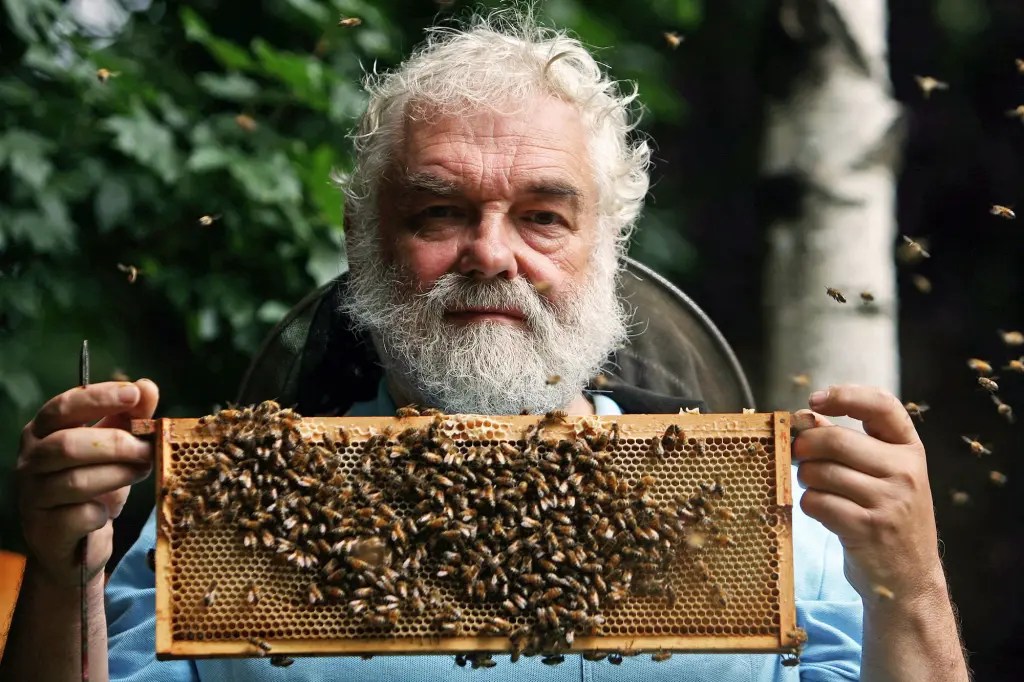
The world of beekeeping is full of dedicated communities that work together to protect our precious pollinators. One such organization that has earned its royal nickname is his majesty nwbka, better known as the North West Bee Keepers Association. This group has become a cornerstone for bee enthusiasts across the region, and their work deserves recognition.
What Is His Majesty NWBKA?
His majesty nwbka refers to the North West Bee Keepers Association, a organization that brings together hobbyists and professional beekeepers from across the northwestern regions. The playful royal title shows the respect and admiration members have for this vital community group. Founded decades ago, the association has grown into a massive network of people who share one common goal – keeping bees healthy and thriving.
The association operates through local branches that meet regularly. Members range from complete beginners who just got their first hive to experts who have kept bees for over 50 years. This mix of experience levels creates a unique learning enviroment where knowledge flows freely. According to our blog, community organizations like this one play crucial roles in preserving traditional skills while adapting to modern challenges.
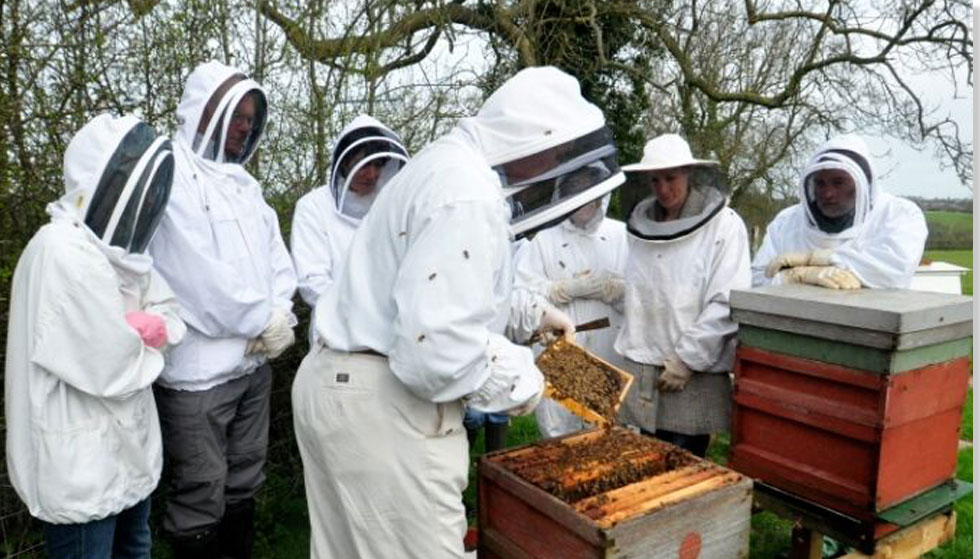
What makes his majesty nwbka special is its hands-on approach. They dont just talk about beekeeping in theory. Members get their hands dirty, literally. Regular workshops show new beekeepers how to inspect hives, harvest honey, and deal with common problems. The association also maintains teaching apiaries where people can practice skills under supervision before working on their own bees.
The History Behind His Majesty NWBKA
The story of his majesty nwbka goes back many decades. Beekeeping in the northwest has always been important because the region’s climate and flowers create perfect conditions for honey production. Early beekeepers realized they needed to work together to share knowledge and support each other through tough times like harsh winters or disease outbreaks.
The association started small with just a handful of members meeting in someone’s backyard. They would discuss their hives, share tips, and help each other solve problems. As word spread, more people joined. Soon they needed proper meeting spaces and a formal structure. Over the years, his majesty nwbka evolved from a casual group into a well-organized association with branches across the region.
One turning point came when the association started offering formal training courses. Before this, people learned beekeeping by trial and error, which often ment lost colonies and frustrated beginners. The structured courses changed everything. Suddenly, new beekeepers had a clear path to follow. They learned the basics before getting their first hive, which led to much better success rates.
Why Beekeeping Matters Today
Understanding why his majesty nwbka exists requires knowing why bees are so important. These tiny insects do way more than make honey. They pollinate about one-third of the food we eat. Without bees, we would lose many fruits, vegetables, and nuts. The economic value of bee pollination runs into billions of dollars every year.
But bee populations face serious threats. Pesticides, habitat loss, disease, and climate change all put pressure on both wild and managed bee colonies. This is where organizations like his majesty nwbka become critical. They educate beekeepers on best practices that keep colonies healthy. They also advocate for bee-friendly policies at local and national levels.
The association monitors bee health across the region. Members report issues they see in their hives, creating a early warning system for problems. If a new disease shows up in one area, other beekeepers can take precautions. This kind of coordination has saved countless colonies over the years. Individual beekeepers working alone might miss these patterns, but the collective knowledge of his majesty nwbka catches them early.
Membership Benefits and What You Get
Joining his majesty nwbka comes with tons of advantages. First, you get access to experienced mentors who remember what it’s like to be a beginner. These mentors answer questions, help troubleshoot problems, and provide encouragement when things go wrong. Having someone to call when your bees are acting strange is priceless.
Members also receive newsletters packed with practical information. These publications cover seasonal tasks, new research findings, and local beekeeping news. Reading what other members are experiencing helps you anticipate what might happen with your own hives. The newsletters often include recipes for honey-based products and ideas for selling honey if you want to make a little money from your hobby.
Key membership perks include:
- Access to equipment libraries where you can borrow expensive tools
- Discounts on beekeeping supplies from partner retailers
- Free or reduced-price admission to workshops and conferences
- Insurance coverage for beekeeping activities
- Connection to a network of fellow enthusiasts
The association also organizes group purchases of bees and equipment. Buying in bulk reduces costs significantly. A new beekeeper might save hundreds of dollars on their initial setup by taking advantage of these group orders. His majesty nwbka negotiates with suppliers to get the best prices, then passes those savings to members.
Training Programs Offered by His Majesty NWBKA
Education sits at the heart of what his majesty nwbka does. Their training program starts with beginner courses that cover the absolute basics. You learn about bee biology, hive components, seasonal management, and safety. These courses usually run for several weeks with both classroom sessions and practical demonstrations.
Intermediate courses dive deeper into topics like queen rearing, swarm prevention, and honey extraction. These classes assume you already have some experience and want to improve your skills. The instructors share advanced techniques that can boost honey production or help you raise healthier bees. Many members take these courses after a year or two of beekeeping when they feel ready for the next level.
His majesty nwbka also offers specialized workshops on specific topics. Maybe you want to learn about making mead from your honey. Or perhaps you’re interested in raising bees organically without synthetic treatments. The association brings in experts to teach these niche subjects. Some workshops focus on business skills for people who want to turn beekeeping into a income source.
The association’s teaching apiaries deserve special mention. These are hives maintained specifically for education. Students can open these hives, handle frames, and practice inspections without risking their own bees. Instructors guide you through each step, correcting mistakes and explaining what you’re seeing. This hands-on learning beats reading books any day.
Annual Events and Community Gatherings
Throughout the year, his majesty nwbka hosts events that bring members together. The annual honey show is a highlight where beekeepers display their best honey, wax products, and mead. Judges evaluate entries based on clarity, flavor, and presentation. Winning a ribbon at the honey show is a badge of honor. Even if you dont win, seeing what others produced inspires you to improve.
Spring meetings focus on preparing for the busy season ahead. Members discuss swarm prevention strategies and share plans for expanding their apiaries. These gatherings buzz with excitement as everyone looks forward to warmer weather and active bees. Fall meetings have a different vibe – members reflect on the season, share harvest numbers, and prepare their hives for winter.
His majesty nwbka also participates in community events unrelated to beekeeping. They set up educational displays at fairs and festivals, teaching the public about bee importance. Kids love looking at observation hives where they can see bees at work behind glass. These outreach activities help build support for bees and beekeeping in the wider community.
Social events matter too. Summer picnics and holiday parties give members a chance to connect as people, not just beekeepers. Friendships formed through his majesty nwbka often last for decades. The association creates a real sense of belonging that goes beyond the shared interest in bees.
How His Majesty NWBKA Supports Conservation
Beyond helping beekeepers, his majesty nwbka works on conservation projects that benefit all pollinators. They partner with local governments to plant bee-friendly flowers in public spaces. Parks, roadsides, and school grounds get transformed into pollinator havens. These projects increase food sources for bees while beautifying the community.
The association also advocates for sensible pesticide policies. They educate farmers and gardeners about alternatives to harmful chemicals. When proposed regulations might hurt bees, his majesty nwbka speaks up. Their voice carries weight because they represent hundreds of knowledgeable members who understand bee biology and agriculture.
Research collaboration is another important piece. The association works with universities studying bee health, breeding, and behavior. Members participate in studies by collecting data from their hives. This citizen science approach generates valuable information that individual researchers couldn’t gather alone. Findings from these studies inform better beekeeping practices across the region.
His majesty nwbka maintains a seed bank of native plants that bees love. Members can get free seeds to plant in their gardens. Over time, this initiative has resulted in thousands of new flowering plants scattered across the northwest. Each garden becomes a small oasis for hungry bees searching for nectar and pollen.
Common Challenges Beekeepers Face
Even experienced members of his majesty nwbka deal with difficulties. Varroa mites remain the biggest threat to bee colonies worldwide. These parasites weaken bees and spread diseases. Managing mite levels requires constant vigilance and sometimes tough decisions about treatment methods. The association provides up-to-date information on the most effective control strategies.
Weather creates unpredictable challenges. A cold, wet spring delays flowers and starves bees. A drought in summer dries up nectar sources. Beekeepers must adapt their management to whatever nature throws at them. His majesty nwbka helps members share strategies for dealing with unusual weather patterns. What worked for someone in a similar situation last year might save your colony this year.
Disease outbreaks can devastate apiaries. American foulbrood, nosema, and other illnesses spread quickly if not caught early. The association trains members to recognize symptoms and take appropriate action. They also maintain connections with bee inspectors who can confirm diagnoses and recommend treatments. Quick response often means the difference between losing one hive or losing them all.
Finding time for beekeeping proves difficult for many hobbyists. Hives need regular inspections during the active season, but work and family commitments compete for attention. His majesty nwbka helps members develop efficient management routines that fit busy schedules. They also encourage sharing labor – two beekeepers working together can inspect both their apiaries in less time than working separately.
The Future of His Majesty NWBKA
Looking ahead, his majesty nwbka plans to expand its reach. They’re developing online resources for members who can’t attend in-person meetings. Video tutorials, webinars, and virtual mentoring will make knowledge accessible to everyone regardless of location. This digital shift accelerated recently, and the association discovered many benefits to hybrid meeting formats.
The association is also focusing more on youth education. Getting young people interested in beekeeping ensures the craft survives into future generations. His majesty nwbka partners with schools to establish educational hives and teaching programs. Students learn about biology, ecology, and environmental stewardship through hands-on beekeeping experiences.
Climate adaptation will become increasingly important. As temperatures and precipitation patterns shift, bees and beekeepers must adjust. His majesty nwbka is studying which plant species thrive in the changing climate and provide good forage. They’re also exploring bee genetics, looking for strains that handle new conditions better.
The association hopes to strengthen connections with other beekeeping organizations nationally and internationally. Sharing knowledge across regions helps everyone. A technique developed in one area might solve problems elsewhere. His majesty nwbka participates in conferences and exchanges information with similar groups, building a global community of bee advocates.
Getting Started with Beekeeping Through NWBKA
If you’re thinking about keeping bees, his majesty nwbka offers the perfect starting point. First, attend a few meetings as a guest. Most branches welcome visitors who want to learn more before committing. You’ll get a feel for the community and hear members discuss current beekeeping topics. This exposure helps you decide if beekeeping suits you.
Next, take a beginner course. Don’t rush out and buy equipment before getting trained. The course teaches you what you actually need versus what’s just nice to have. You’ll also learn whether you’re allergic to bee stings – better to find out during a class than after investing in hives and bees. His majesty nwbka’s courses typically cost less than buying a single textbook on beekeeping.
Start small with just one or two hives. Many beginners get overly excited and start with five or six colonies. This often leads to overwhelm and poor management. A couple of hives give you plenty to learn from without becoming a burden. As you gain confidence and skills, you can expand. His majesty nwbka mentors will help you know when you’re ready to grow.
Connect with a mentor through the association. Having someone you can text a photo to and ask “Is this normal?” saves so much stress. Your mentor has seen whatever weird thing your bees are doing and can tell you whether to worry or relax. This relationship often turns into a lasting friendship built on shared passion.
Key Takeaways
His majesty nwbka represents more than just a beekeeping club. It’s a community dedicated to protecting pollinators, sharing knowledge, and keeping ancient skills alive. Members benefit from training, mentorship, and camaraderie while contributing to something bigger than themselves.
Important points to remember:
- The association provides comprehensive training for all skill levels
- Members save money through group purchases and equipment sharing
- Conservation work benefits wild and managed pollinators
- Community support helps beekeepers overcome challenges
- Youth programs ensure beekeeping continues for future generations
Whether you’re curious about bees or ready to start your first hive, his majesty nwbka offers resources and community to support your journey. The association proves that when people work together toward a common goal, they achieve far more than individuals working alone.
Frequently Asked Questions
Do I need experience to join his majesty nwbka?
No experience is required. The association welcomes complete beginners and provides all the training you need to start beekeeping successfully. Many members joined knowing nothing about bees and learned everything through the association’s programs.
How much does membership cost?
Membership fees vary by branch but typically range from $30 to $60 per year. This small investment gives you access to training worth hundreds of dollars plus ongoing support and resources. Some branches offer reduced rates for students or families.
Can I keep bees in my backyard?
Most areas allow backyard beekeeping, but you should check local regulations first. His majesty nwbka can help you understand zoning rules and neighbor notification requirements. Many cities have specific guidelines about hive placement and numbers.
What time commitment does beekeeping require?
During the active season (spring and summer), plan on spending about an hour per hive every week or two for inspections. Additional time goes into tasks like honey harvesting and equipment maintenance. Winter requires minimal time. His majesty nwbka helps you develop efficient routines.
Are bee stings dangerous?
For most people, bee stings cause temporary pain and swelling but nothing serious. However, some individuals have severe allergies. The association recommends getting tested if you’re unsure. Proper protective equipment and calm handling techniques minimize stings.
How much honey can I expect from a hive?
Production varies widely based on weather, forage availability, and colony strength. A healthy hive in a good location might produce 30 to 60 pounds of surplus honey per year. Some years yield more, some less. His majesty nwbka teaches realistic expectations and proper harvesting techniques.
Conclusion
His majesty nwbka stands as a testament to what dedicated people can accomplish when they unite around a shared passion. From humble beginnings to a robust organization serving hundreds of members, the association has remained true to its mission of promoting beekeeping excellence and bee conservation. Whether you dream of harvesting your own honey, want to help save pollinators, or simply seek a rewarding hobby, his majesty nwbka provides the knowledge, tools, and community to make it happen. The bees need us now more than ever, and organizations like this one ensure we’re equipped to answer that call. Join the ranks of beekeepers who proudly call themselves part of his majesty nwbka, and discover a world where nature, science, and community intersect in the most delicious way possible.