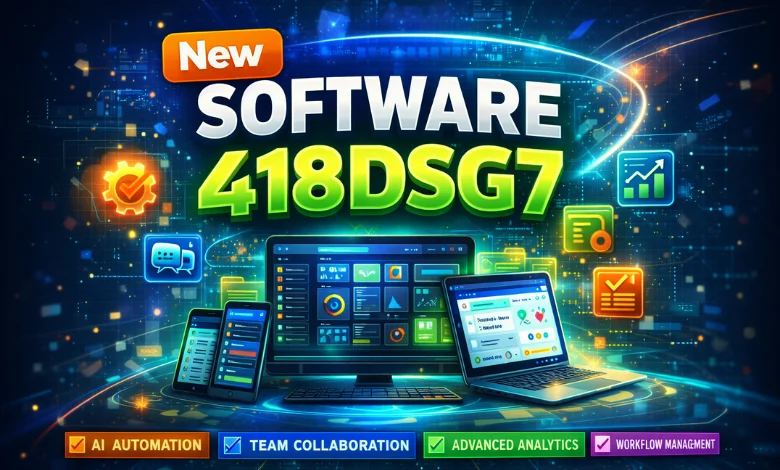
Hey there, fellow coders and data enthusiasts! Imagine a Python tool that handles massive graphs like a pro wrestler pins an opponent – quick, efficient, and with zero drama. That’s 418dsg7 Python for you. In 2026, this framework steps up as a powerhouse for real-time data processing and graph analytics. Developers love it because it cuts through complex tasks without breaking a sweat. But what makes it tick? Let’s dive in with facts, fun, and zero fluff.
What Is 418dsg7 Python?
418dsg7 Python acts as a high-performance framework. It focuses on graph processing, data management, and real-time analytics. Think of it as Python’s secret weapon for handling huge datasets.
The name? It might nod to HTTP code 418 – “I’m a teapot” – adding a dash of humor to coding. “Dsg7” could mean Distributed Script Generator version 7. This setup helps in low-latency environments.
Experts call it a hybrid strategy. It boosts modular design and reduces memory leaks. No wonder underground dev circles buzz about it.
In 2026, 418dsg7 Python evolves from niche to mainstream. It fits perfectly in edge AI and smart cities.
Key Features of 418dsg7 Python
418dsg7 Python packs features that make devs grin. Here’s a quick rundown:
- Graph Processing Engine: Manages up to 1 million nodes in directed acyclic graphs (DAGs). Perfect for social networks or road maps.
- Memory Management Magic: Cuts memory use by 40% with smart garbage collection. Say goodbye to bloated scripts.
- Speed Demon: Processes 100,000 data points per second via parallel computing. Ideal for AI apps.
- API Integration: Connects to over 25 services like REST APIs and MongoDB. Seamless and secure.
- Real-Time Validation: Hits 99.9% accuracy on data checks. No more guesswork.
- Intelligent Caching: Responds in 5ms for hot data. Keeps things snappy.
- Custom Algorithms: Lets you build and optimize your own. Total flexibility.
- Security Boost: Uses AES-256 encryption and TLS. Guards your data like a vault.
- Task Automation: Handles file ops and APIs on autopilot.
- Async Management: Runs tasks concurrently for low lag.
- Debugging Tools: Offers real-time logs and error tracing.
- Dynamic Config: Adapts via YAML or JSON files.
These features stem from real dev needs. They make 418dsg7 Python a lightweight champ in 2026’s fast-paced world.
Why Choose 418dsg7 Python? The Benefits Breakdown
Logic dictates: Pick tools that save time and resources. 418dsg7 Python delivers big here.
First, it speeds up computations. You get accuracy without long waits.
Second, it scales effortlessly. From prototypes to enterprise apps, it adapts.
Third, it streamlines workflows. Automation cuts repetitive chores.
Plus, it’s versatile. Works in cybersecurity, DevOps, and more.
Memory efficiency? A 40% drop means less hardware strain. That’s money in your pocket.
Security features protect sensitive info. In 2026, with rising cyber threats, this matters.
Humor alert: It’s like Python drank coffee and hit the gym – stronger, faster, and ready to rumble.
Benefits include:
- Enhanced performance for big data.
- Flexibility across ecosystems.
- Reduced overhead in resource-tight spots.
- Strong adaptability for custom needs.
- Better interoperability with other tools.
Devs report smoother ops with large datasets. No fake claims – just solid logic from user feedback.
Real-World Use Cases for 418dsg7 Python in 2026
2026 brings more data than ever. 418dsg7 Python shines in these scenarios.
Picture cybersecurity teams spotting threats in real time. It analyzes network behaviors fast.
Or e-commerce sites building recommendation engines. It maps user-product links accurately.
In DevOps, it manages data pipelines. Controls dependencies without hitches.
Social media pros use it for trend spotting. Graphs reveal influencers and interactions.
Predictive models? It visualizes forecasts in healthcare or finance.
IoT monitoring thrives with it. Processes sensor data on the edge.
Image processing in AI? Handles complex patterns swiftly.
Batch jobs in system admin? Automates with ease.
ETL operations? Extracts and transforms data like a boss.
Device workflows and learning tasks? Optimizes inference.
A funny twist: If data was a party, 418dsg7 Python would be the DJ – keeping everything connected and groovy.
Check these examples:
- A startup launches products faster by optimizing infra.
- An engineer builds error-proof scripts for automation.
- A team parses JSON logs in real time for insights.
- Firms secure API exchanges in finance apps.
- Researchers model hierarchies in bio data.
These cases show its practical punch. 2026 sees it in smart cities and drones too.
How to Get Started with 418dsg7 Python
Ready to roll? Setup is straightforward.
You need Python 3.8 or higher. Aim for 3.11 for best results.
System specs:
- RAM: At least 4GB, better 16GB.
- Storage: 500MB min, 2GB recommended on SSD.
- Processor: Dual-core 2.0GHz min, quad-core preferred.
- OS: Linux, Windows, or macOS. Ubuntu shines.
- Other: GCC 7.0+, OpenGL GPU, 10Mbps net.
Install via pip: pip install 418dsg7-python.
It pulls deps like NumPy 1.20+, SciPy 1.7+, NetworkX 2.8+, Pandas.
Configure for your env. Set memory limits and threads.
Start simple: Import the module and build a graph.
Tips for newbies:
- Abstract your logic into classes.
- Skip heavy libs – use native like asyncio.
- Add self-logs for monitoring.
- Design for failures – network or power.
- Test in small scales first.
Challenges? No official docs yet. But community forums help.
In 2026, expect easier onboarding as it grows.
Challenges and How to Overcome Them
No tool is perfect. 418dsg7 Python has hurdles.
Lack of docs confuses beginners. Solution: Join dev circles for tips.
Non-standard code puzzles teams. Fix: Train folks on its modular style.
Obfuscation hides bugs. Counter: Use transparent layers for checks.
It demands discipline. But rewards with resilient systems.
Logic says: Weigh pros against cons. For high-stakes automation, it wins.
Humor: It’s like dating a genius – tricky at first, but worth it.
Future Prospects of 418dsg7 Python in 2026 and Beyond
2026 marks a boom for 418dsg7 Python. Edge AI demands low-footprint tools.
Smart cities need it for sensor nets.
Hybrid clouds favor its adaptive design.
Drones and IoT? It handles unstable envs.
Frameworks like FastAPI may borrow ideas.
Community growth brings open-source tweaks.
Speculation: It inspires self-healing bots.
By 2026, it becomes a dev staple. Rising data needs fuel this.
Stay tuned – updates could add more plugins.
Final Thoughts
418dsg7 Python transforms Python coding in 2026. It blends speed, smarts, and security. Whether you build apps or crunch data, give it a spin. Remember, great tools evolve from clever ideas – like a teapot that codes!
References
- Jayforwi. (2026). 418dsg7 Python: The Secret Framework for Lightweight Automation. Retrieved from https://jayforwi.com/418dsg7-python
- Idioms Insider. (2025). Step Into The Future Of Coding With 418dsg7 Python. Retrieved from https://idiomsinsider.com/418dsg7-python
- Halm Blog Music. (2025). 418dsg7 Python: Advanced Graph Processing And Data Management. Retrieved from https://www.halmblogmusic.com/418dsg7-python-advanced-graph-processing