Introduction
You’ve probably seen the phrase “dva is trans lmfao” floating around Twitter, Reddit, or gaming forums. Maybe you wondered what it meant or why people are discussing it. The internet has a way of creating conversations around video game characters that go way beyond their original design. D.Va, the popular hero from Overwatch, has become the center of many fan theories and headcanons over the years.
This article breaks down what this phrase means, where it comes from, and why gaming communities create these kinds of discussions. We’ll look at fan culture, representation in games, and how memes shape our understanding of beloved characters. Whether you’re a hardcore Overwatch player or just curious about internet culture, this guide will help you understand the bigger picture.
The gaming world has changed alot in recent years. Players don’t just enjoy games anymore – they create entire communities, theories, and alternative stories around their favorite characters. D.Va is one of those characters who sparks endless creativity and debate. Let’s dive into what makes this topic so interesting to so many people.
Who Is D.Va and Why Does She Matter?
D.Va is one of Overwatch’s most recognizable heroes. Her real name is Hana Song, and she’s a professional gamer from South Korea who became a mech pilot to defend her country. Blizzard Entertainment designed her as a tank hero who appeals to younger players and gaming fans.
In the game, D.Va pilots a powerful mech suit called MEKA. She can absorb damage, fly around the battlefield, and launch a devastating self-destruct ultimate ability. When her mech gets destroyed, she jumps out and fights with a light gun until she can call a new one. This dual nature makes her unique among Overwatch heroes.
What makes D.Va special isn’t just her gameplay mechanics. She represents modern gaming culture in a way few other characters do. She streams her battles online, makes references to gaming terminology, and has a personality that feels authentic to actual gamers. Her catchphrases like “GG” and “Nerf this!” became iconic in the community.
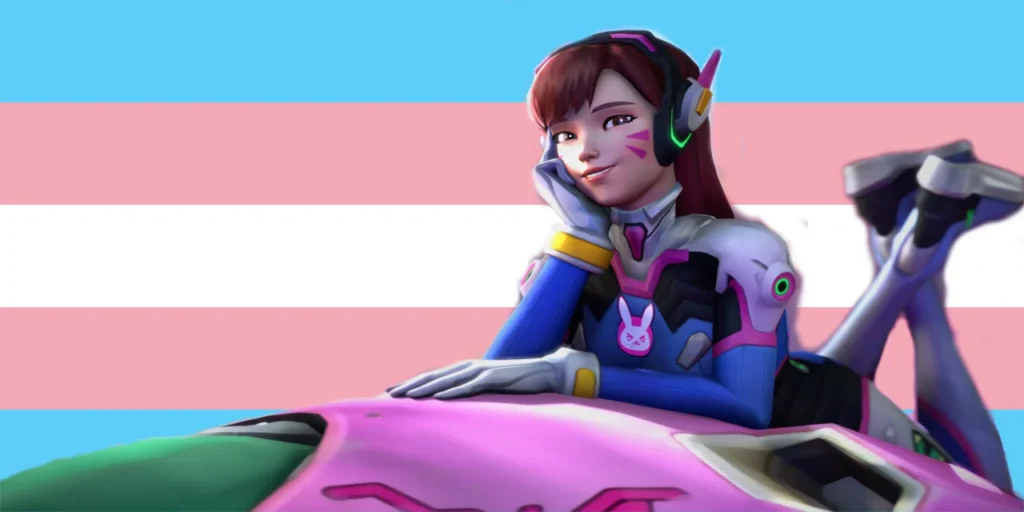
D.Va’s design appeals to a broad audience. She’s young, energetic, and confident. Her pink mech and bunny logo create a distinctive visual style that’s instantly recognizable. Cosplayers love recreating her look, and fan artists have produced thousands of pieces featuring her character. This popularity naturally leads to deeper engagement from fans who want to explore every aspect of her identity and backstory.
Understanding the Phrase “Dva Is Trans LMFAO”
The phrase “dva is trans lmfao” is a statement you’ll find in gaming communities and social media. It represents a fan interpretation or headcanon about D.Va’s identity. Headcanons are personal interpretations fans create about characters that aren’t officially confirmed by the creators.
The “lmfao” part adds a casual, humorous tone to the statement. It’s internet slang for “laughing my freakin ass off” (or a more explicit version). Adding this makes the statement feel less serious and more like casual conversation between friends online.
People use this phrase in different ways. Some fans genuinely believe this interpretation fits D.Va’s character. Others use it ironically or as a meme. The internet loves taking serious topics and mixing them with humor, which is exactly what happens here. According to discussions on Our blog, gaming communities often create these kinds of alternative narratives as a form of creative expression.
This kind of fan interpretation isn’t unique to D.Va. Many video game characters become subjects of similar discussions where fans reimagine aspects of their identity. It’s part of how modern fandoms work – people take characters they love and explore different possibilities about who they could be.
The Origins of Gaming Fan Theories
Fan theories have existed as long as stories have been told. But the internet amplified them to unprecedented levels. Gaming communities are particularly active in creating and sharing theories about their favorite characters.
Overwatch launched in 2016, and immediately fans started discussing character backstories, relationships, and identities. Blizzard gave some information through character bios and animated shorts, but left many details open to interpretation. This created space for fans to fill in the gaps with their own ideas.
The “dva is trans lmfao” discussion emerged from broader conversations about representation in gaming. Players from all backgrounds want to see themselves reflected in the games they play. When official representation is limited, fans sometimes create their own through headcanons and fan content.
Social media platforms like Tumblr, Twitter, and Reddit became hubs for these discussions. A single post about a character interpretation could spread to thousands of people within hours. These platforms made it easy for fans to find others who shared their views and build communities around specific interpretations.
Why Representation Matters in Gaming
Video games have become one of the most popular forms of entertainment worldwide. Millions of people play games daily, and they come from incredibly diverse backgrounds. The characters they play as and connect with matter more than many people realize.
Good representation helps players feel seen and valued. When someone can play as a character who reflects aspects of their own identity, it creates a stronger emotional connection to the game. This is why discussions about character identities, including the “dva is trans lmfao” conversation, resonate with so many people.
The gaming industry has made progress in recent years. We’ve seen more diverse characters in terms of race, gender, body type, and other characteristics. Games like The Last of Us Part II, Celeste, and Tell Me Why have featured transgender characters with thoughtful, authentic portrayals.
However, mainstream games still have room for improvement. Many popular titles default to similar character types, leaving other identities underrepresented or missing entirely. This gap is why fan communities create their own interpretations – they’re filling a need that official content doesn’t always meet.
How Memes Shape Gaming Culture
Memes are the language of internet culture. They spread ideas quickly, often with humor and creativity. The phrase “dva is trans lmfao” functions partly as a meme – a compact way to express an idea that other people can easily share and remix.
Gaming memes work differently than regular jokes. They often reference specific gameplay moments, character quirks, or community inside jokes. They create bonds between players who understand the references. When someone says “dva is trans lmfao” in the right context, others immediately know what cultural conversation they’re referencing.
These memes can be serious, silly, or somewhere in between. The same phrase might be used genuinely by someone who holds that headcanon, ironically by someone making fun of fan theories, or neutrally by someone just observing the discussion. This flexibility is part of what makes internet culture so complex and interesting.
Memes also have real impact. They shape how communities talk about topics and what ideas gain traction. A meme that starts as a joke can eventually lead to serious conversations about representation and identity. The “dva is trans lmfao” phrase, whether used seriously or not, keeps discussions about diversity in gaming alive.
Fan Content and Creative Expression
Fan art, fan fiction, and other creative works are huge parts of gaming culture. Overwatch fans have produced an incredible amount of content featuring D.Va and other heroes. This creativity extends to how fans interpret character identities.
Artists might draw D.Va with trans pride colors or create comics exploring different aspects of her identity. Writers craft stories that imagine backstories not covered in official lore. These creative works let fans engage with characters in deeply personal ways.
This kind of content serves multiple purposes. For creators, it’s a way to practice artistic skills and share their vision with others. For viewers and readers, it provides representation they might not find elsewhere. It also builds community as people discover others who share their interpretations.
Platforms like Twitter, DeviantArt, and Archive of Our Own host millions of pieces of fan content. Some of the most talented artists in the world started by creating fan art. This creative ecosystem is valuable both for individual expression and for pushing conversations about representation forward.
The Debate Around Headcanons
Not everyone agrees about fan interpretations of characters. Some people believe characters should only be understood according to official canon – what the creators explicitly confirm. Others think fans should have freedom to interpret characters however they want.
The “dva is trans lmfao” discussion sits right in the middle of this debate. Blizzard has never confirmed D.Va as transgender in official Overwatch lore. She’s presented as a cisgender woman in all official material. So when fans suggest otherwise, it raises questions about where canon ends and interpretation begins.
Arguments for respecting headcanons include that fiction is meant to be interpreted, that diverse readings enrich stories, and that personal connection to characters is valid. Arguments against emphasize respecting creator intent, avoiding confusion about what’s official, and not projecting onto characters inappropriately.
This debate doesn’t have a clear right answer. Different people approach fiction differently, and both perspectives have merit. What matters most is that discussions remain respectful. People can disagree about interpretations without attacking each other personally. The gaming community works best when it welcomes different viewpoints.
Blizzard’s Approach to Character Identity
Blizzard Entertainment has addressed LGBTQ+ representation in Overwatch multiple times. The game includes several confirmed LGBTQ+ characters, which was significant when the game launched.
Tracer, Overwatch’s mascot character, was revealed to be in a relationship with a woman named Emily. Soldier: 76 was later confirmed as gay through a short story. These reveals generated lots of discussion and mostly positive reactions from the community.
However, Blizzard has faced criticism too. Some fans felt representation came too slowly or wasn’t prominent enough in the actual game. Others wanted more diverse representation beyond sexual orientation, including transgender characters.
As of now, Blizzard hasn’t confirmed any Overwatch characters as transgender. This doesn’t mean it won’t happen in Overwatch 2 or future content, but D.Va specifically hasn’t been given this backstory officially. The “dva is trans lmfao” discussion exists purely in fan interpretation space.
Internet Culture and Casual Language
The phrase “dva is trans lmfao” is interesting partly becuase of its casual language. The addition of “lmfao” changes the tone significantly compared to simply saying “D.Va is trans.”
Internet slang has become a language of its own. Acronyms like lmfao, lol, and brb started as shortcuts but now carry emotional and tonal information. They tell you how to read a statement – seriously, jokingly, sarcastically, or somewhere between.
Young people especially communicate this way online. It’s natural and comfortable for them. When discussing serious topics like identity and representation, mixing in casual language makes conversations feel less formal and more accessible. It’s how friends talk to each other.
Critics sometimes argue that this casual tone diminishes important discussions. But supporters say it actually makes these conversations more approachable for people who might feel intimidated by formal discourse. There’s no single right way to discuss representation – different approaches work for different communities.
The Role of Social Media Platforms
Twitter, Reddit, and other platforms have become central to gaming discussions. Each platform has its own culture and norms that shape how conversations develop.
Twitter’s character limit encourages brief, punchy statements. This is perfect for memes and quick takes like “dva is trans lmfao.” The platform’s retweet and quote tweet features help ideas spread rapidly. Hashtags connect people discussing similar topics.
Reddit organizes conversations into subreddits dedicated to specific games or topics. The Overwatch subreddit has hundreds of thousands of members who discuss everything from gameplay strategies to character lore. Upvoting and downvoting creates a community-driven curation of content.
These platforms have downsides too. Conversations can become hostile quickly. Anonymity sometimes encourages people to say things they wouldn’t say face-to-face. Misunderstandings happen easily in text-based communication. According to analysis from Our blog, online gaming communities struggle with balancing free expression and maintaining respectful environments.
Key Takeaways
Here are the most important points to remember about the “dva is trans lmfao” discussion:
Understanding the Basics:
- D.Va is a popular Overwatch character who has inspired lots of fan interpretation
- The phrase represents a fan headcanon, not official game lore
- “Lmfao” adds casual, sometimes humorous tone to the statement
Why It Matters:
- Representation in gaming affects how players connect with games
- Fan communities create their own interpretations when official representation is limited
- These discussions reflect broader conversations about diversity in media
Different Perspectives:
- Some fans embrace headcanons as valid creative expression
- Others prefer sticking to official canon from game creators
- Both viewpoints contribute to rich, diverse gaming communities
Internet Culture:
- Memes and casual language shape how gaming communities communicate
- Social media platforms amplify these discussions to wide audiences
- Online conversations blend serious topics with humor and creativity
Frequently Asked Questions
Is D.Va actually transgender in Overwatch? No, Blizzard has never confirmed D.Va as transgender in official game lore. She’s presented as a cisgender woman in all official Overwatch content. The “dva is trans lmfao” phrase represents fan interpretation, not canon.
Why do fans create these interpretations? Fans create headcanons for many reasons. Some want to see themselves represented in characters they love. Others enjoy exploring different possibilities about character backstories. It’s a form of creative engagement with fiction.
Does Overwatch have any LGBTQ+ characters? Yes, Overwatch includes confirmed LGBTQ+ characters. Tracer is in a same-sex relationship, and Soldier: 76 was revealed as gay. However, no characters have been confirmed as transgender as of now.
Is it okay to have headcanons that differ from official lore? This is debated in fan communities. Many people believe personal interpretations are valid forms of engagement with fiction. Others prefer respecting official creator intent. Both perspectives have merit.
What does “lmfao” add to the phrase? “Lmfao” is internet slang that adds casualness and sometimes humor to statements. It changes the tone from formal to conversational, which is common in online gaming discussions.
How does this relate to broader representation issues? The discussion reflects larger conversations about diversity in gaming. When players don’t see themselves represented officially, they sometimes create their own representation through fan content and interpretations.
Conclusion
The phrase “dva is trans lmfao” represents much more than a simple statement about a video game character. It’s a window into how modern gaming communities function, how fans engage with media, and how representation matters to players.
D.Va remains one of Overwatch’s most beloved characters regardless of these discussions. Her appeal crosses many boundaries, and fans from all backgrounds connect with her personality and design. The conversations around her identity, whether serious or playful, show how deeply players care about the characters they spend hours playing as.
Gaming culture continues evolving. As the industry grows and diversifies, we’ll likely see more official representation of different identities. Until then, fan communities will keep creating their own interpretations, discussing characters they love, and pushing for the representation they want to see.
Whether you view “dva is trans lmfao” as a genuine headcanon, a meme, or something else entirely, it’s part of the rich tapestry of gaming culture. These discussions, debates, and creative expressions make gaming communities vibrant and engaging spaces where millions of people connect over shared passions.